Spain attracts millions of visitors every year because it offers something for almost every type of traveler. Some people come for Mediterranean beaches and island resorts, while others visit for historic cities, food culture, football matches, and famous festivals. From Barcelona’s architecture to the streets of Seville and the scenic coastline of San Sebastian, every region offers a different experience depending on the season.
For travelers visiting from the USA, selecting the right travel period can shape the entire journey. Weather conditions, tourist crowds, accommodation prices, and local events all change throughout the year. In some months, Spain feels energetic and packed with festivals, while in others it becomes calmer and more budget-friendly.
Because of these seasonal differences, understanding the good time to visit Spain can help travelers build an itinerary that matches their interests, comfort level, and budget.
This guide explains Spain’s weather patterns, seasonal travel experiences, festival seasons, and the best travel months for first-time visitors planning a trip to Spain.
Why is Understanding Spain’s Climate Before Planning Your Trip Important?
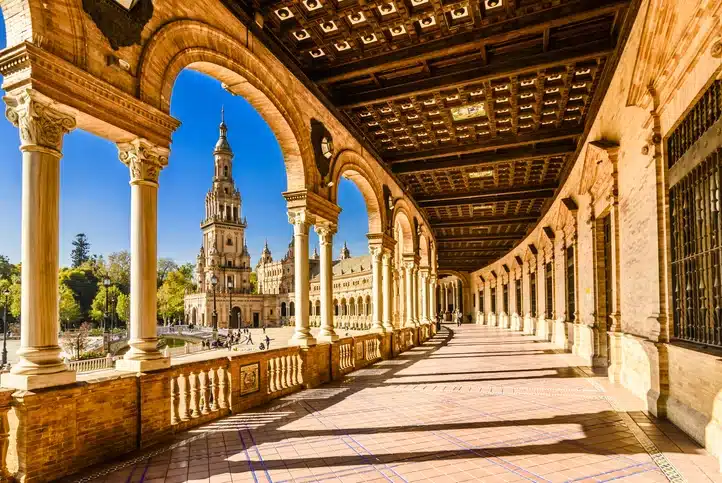
Spain experiences four seasons, but weather conditions vary significantly between regions. Coastal cities, inland destinations, and northern areas all experience different temperatures throughout the year.
Regional Weather Differences Across Spain
Before choosing travel dates, it helps to understand how Spain’s geography influences the climate.
- Southern cities such as Seville, Malaga, and Granada remain warm for much of the year. Summers in these regions can become extremely hot, especially during July and August.
- Northern Spain, including Bilbao and Santiago de Compostela, experiences cooler temperatures and more rainfall because of its Atlantic climate.
- Meanwhile, Madrid often experiences colder winters and very hot summers because it is located inland.
- The Balearic Islands and Canary Islands maintain milder weather conditions and are popular among travelers looking for beach vacations throughout most of the year.
Because weather conditions differ greatly across the country, identifying a good time to visit Spain often depends on the type of experience travelers are looking for.
Spring Brings Comfortable Weather and Scenic Landscapes
Spring is considered one of the best seasons for sightseeing across Spain. The weather becomes pleasant, flowers begin blooming across cities and countryside regions, and tourist crowds remain smaller compared to summer.
Why Spring Appeals to First-Time Travelers
Between March and May, temperatures in most regions range between 60°F and 77°F (16°C to 25°C). These conditions are ideal for walking tours, outdoor cafés, historical landmarks, and day trips.
For travelers searching for the best time to go to Spain, weather conditions should never be ignored, especially when planning long sightseeing days in cities like Madrid, Barcelona, or Seville.
Spring travel offers several advantages:
- Comfortable temperatures for outdoor activities
- Fewer crowds at major attractions
- Better hotel rates compared to summer
- Longer daylight hours
- Beautiful countryside scenery
Many travelers also find transportation and restaurant reservations easier during spring because tourism levels have not yet reached peak summer demand.
Popular Festivals During Spring
Spring is also one of Spain’s most vibrant cultural seasons.
Some of the country’s most famous festivals take place during this time, including:
- Las Fallas Festival in Valencia
- Semana Santa celebrations
- Feria de Abril in Seville
These festivals bring music, parades, traditional clothing, and cultural performances into city streets.
However, travelers should expect hotel prices to rise in cities hosting major celebrations.
Summer Is Perfect for Beaches and Coastal Travel
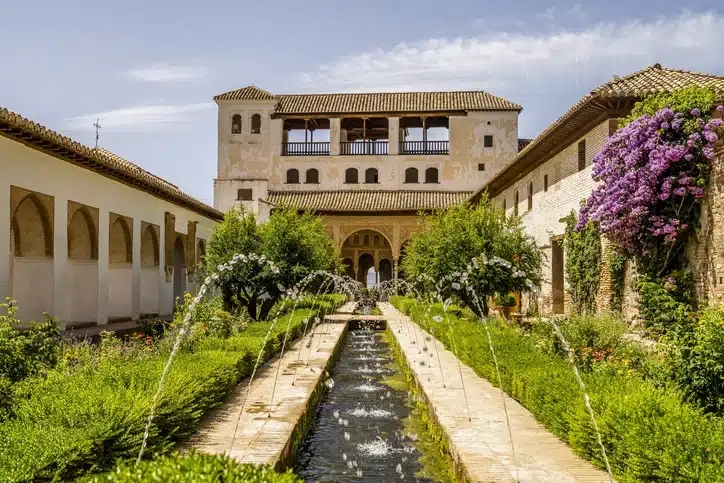
Summer is Spain’s busiest tourism season, especially between June and August. During these months, beach destinations, islands, and nightlife areas attract travelers from around the world.
What Travelers Should Expect During Summer
Summer temperatures can become intense in inland cities such as Madrid and Seville, where daytime highs often exceed 95°F (35°C).
For many tourists deciding the best time to travel to Spain, weather becomes one of the biggest planning considerations during summer because extreme midday heat can affect sightseeing plans.
Coastal areas remain more comfortable because of sea breezes, making them especially popular among couples and families.
Popular summer destinations include:
- Barcelona
- Ibiza
- Mallorca
- Costa del Sol
- Valencia
- Canary Islands
Summer is ideal for travelers interested in:
- Beach vacations
- Resort stays
- Water sports
- Nightlife experiences
- Island hopping
Challenges of Traveling During Peak Season
Although summer offers lively energy and beach culture, travelers should also prepare for:
- Higher airfare and hotel prices
- Crowded tourist attractions
- Long waiting times
- Limited hotel availability
- Hot daytime temperatures
Booking flights and accommodations several months early is highly recommended during summer travel months.
For travelers comparing the best time to travel to Spain weather patterns during peak summer can sometimes make inland sightseeing uncomfortable during afternoon hours.
Fall Offers Pleasant Temperatures and Smaller Crowds
Autumn is another excellent season for exploring Spain. From September through November, temperatures begin to cool while tourist crowds gradually decrease.
Many travelers prefer this period because it combines comfortable weather with a calmer atmosphere.
Why Fall Is a Popular Travel Season
Early fall still feels warm in many coastal areas, while inland cities become much more comfortable for sightseeing.
When tourists decide on the best time to go to Spain weather plays a crucial part in their planning process, and fall often provides the balance many visitors are looking for.
Benefits of traveling during the fall include:
- Comfortable walking conditions
- Lower hotel rates than in summer
- Less crowded attractions
- Pleasant coastal weather
- Easier restaurant reservations
September and October are especially popular among travelers who want beach experiences without intense summer crowds.
Seasonal Food and Cultural Experiences
Fall is also an excellent season for travelers interested in Spanish cuisine and regional culture.
Visitors can enjoy:
- Wine harvest festivals
- Traditional seafood dishes
- Local food markets
- Cultural celebrations across smaller towns
Northern Spain becomes especially scenic during autumn, offering cooler weather and colorful landscapes.
Many couples and solo travelers researching the best time to go to Spain weather trends often choose early autumn because temperatures remain pleasant while tourism levels begin to slow down.
Winter Is Ideal for Budget-Friendly Travel
Winter is often overlooked by first-time visitors, but it can be a great option for travelers looking for lower costs and fewer crowds.
While inland cities become colder during winter, southern Spain and the Canary Islands remain relatively mild compared to much of Europe.
What Winter Travel in Spain Looks Like
Between December and February, cities such as Madrid and Barcelona experience cooler temperatures, while mountain regions receive snowfall.
Meanwhile, destinations like Malaga and Tenerife continue to attract travelers looking for warmer winter weather.
Winter travel in Spain offers:
- Lower hotel prices
- Smaller tourist crowds
- Easier museum access
- Holiday markets and decorations
- Ski opportunities in northern regions
This season often appeals to travelers who prefer a slower and quieter travel experience.
Holiday Celebrations Across Spain
Spain celebrates the holiday season with festivals, decorations, and public celebrations.
Popular winter experiences include:
- Christmas lights in Madrid
- Holiday markets in Barcelona
- Three Kings’ Day celebrations
- Seasonal festivals across Andalusia
Although winter may not be ideal for beach-focused itineraries, it works well for cultural travel and budget-conscious visitors.
Best Travel Months Based on Your Interests

Different travelers often prioritize different experiences when planning their Spain itinerary.
Best Months for Sightseeing
April, May, September, and October are often considered the best months for sightseeing because temperatures remain comfortable for outdoor exploration.
Popular cities during these months include:
- Madrid
- Barcelona
- Granada
- Valencia
- Seville
Travelers can comfortably spend full days exploring museums, historic neighborhoods, and local markets.
Best Months for Beach Vacations
Travelers interested in beach holidays usually prefer:
- June
- July
- August
- Early September
During these months, Mediterranean beaches and islands experience warm temperatures and lively nightlife scenes.
Best Months for Budget Travelers
Travelers hoping to reduce costs often choose:
- January
- February
- November
These months usually offer:
- Lower flight prices
- Hotel discounts
- Smaller tourist crowds
However, some coastal destinations may feel quieter during the off-season.
Travelers looking for a good time to visit Spain on a moderate budget often find spring and fall easier for balancing affordability and pleasant weather.
Spain’s Festival Calendar Throughout the Year
Spain is famous for its festivals, and many travelers organize their trips around these cultural celebrations.
1. Spring Festivals
Spring hosts some of the country’s biggest cultural events, including:
- Semana Santa
- Feria de Abril
- Las Fallas Festival
These celebrations combine music, dancing, religious traditions, and local food experiences.
2. Summer Festivals
Summer is known for energetic outdoor events and nightlife festivals.
Popular examples include:
- San Fermín in Pamplona
- La Tomatina
- Music festivals in Ibiza and Barcelona
These festivals attract international visitors and create lively atmospheres across major destinations.
3. Winter and Holiday Events
During winter, Christmas markets and seasonal traditions bring festive energy to Spanish cities.
Travelers interested in cultural tourism often consider these celebrations one of the highlights of visiting Spain.
How Crowd Levels Change Throughout the Year

Tourism levels in Spain vary heavily depending on season and destination.
Peak Tourist Season
June through August are the busiest months in cities and beach destinations such as:
- Barcelona
- Ibiza
- Mallorca
- Madrid
- Seville
During these months, major attractions can become crowded and accommodation prices rise significantly.
Shoulder Seasons Offer Better Balance
Spring and fall are often considered shoulder seasons because they provide:
- Moderate weather
- Smaller crowds
- Better hotel availability
- More comfortable sightseeing conditions
For many travelers, this period represents a good time to visit Spain because it combines pleasant weather with a more relaxed atmosphere.
Benefits of Off-Season Travel
Winter generally brings the lowest tourist numbers outside holiday weeks.
Off-season travel can provide:
- Easier reservations
- Lower travel expenses
- Quieter attractions
- A more local experience
Travel Budget Considerations for Spain
Travel expenses in Spain change significantly depending on season, destination, and travel style.
Most Expensive Travel Periods
Prices generally rise during:
- Summer vacations
- Easter holidays
- Christmas season
- Major festivals
Flights from the USA can become particularly expensive during these periods.
More Affordable Times to Visit
Travelers seeking better value often prefer:
- Late fall
- Winter
- Early spring
These months usually offer lower accommodation costs and more flexible booking options.
While planning the best time to travel to Spain weather differences between coastal areas, inland cities, and northern regions should also be considered carefully before finalizing travel dates.
Helpful Tips for First-Time Travelers to Spain
Planning can make traveling through Spain smoother and more enjoyable.
1. Reserve Popular Attractions Early
Some of Spain’s most famous landmarks require reservations, especially during peak travel seasons.
Popular attractions that often sell out include:
- Sagrada Família
- Alhambra Palace
- Park Güell
Booking tickets early helps travelers avoid long waiting times and limited entry availability.
2. Pack According to the Region
Spain’s weather changes significantly between regions. Northern Spain tends to be cooler and rainier, while southern cities can become extremely hot during summer.
Packing light layers is usually helpful, especially during spring and fall when temperatures can shift throughout the day.
3. Consider Multi-City Travel
Many first-time travelers combine multiple destinations in one itinerary to experience different sides of Spain.
Popular travel combinations include:
- Madrid and Barcelona
- Seville and Granada
- Valencia and Mallorca
Spain’s rail network makes intercity travel relatively easy and comfortable.
4. Learn Basic Local Customs
Understanding simple cultural habits can make interactions more comfortable during your trip.
Travelers should become familiar with:
- Basic Spanish greetings
- Dining etiquette
- Late dinner schedules
- Siesta hours in smaller towns
Even small efforts are often appreciated by locals.
5. Keep Comfortable Walking Shoes
Spain’s historic cities involve a lot of walking, especially in old neighborhoods with stone streets and uneven pathways.
Comfortable shoes are particularly important when visiting:
- Historic districts
- Museums
- Hilltop towns
- Archaeological sites
Many travelers walk far more than expected during sightseeing days.
6. Use High-Speed Trains for Longer Routes
Spain’s high-speed train system is one of the easiest ways to travel between major cities.
Routes connecting cities such as Madrid, Barcelona, Seville, and Valencia are often faster and more convenient than domestic flights once airport transfer times are considered.
Booking train tickets early can also help reduce travel costs.
7. Plan Around Local Festivals Carefully
Spain’s festivals create exciting travel experiences, but they can also increase hotel prices and crowd levels significantly.
If your trip overlaps with events such as:
- Semana Santa
- La Tomatina
- San Fermín
It is important to reserve accommodations early and prepare for busy public spaces.
For many travelers, these festivals become one of the most memorable parts of visiting Spain.
Choosing the Good Time to Visit Spain for Your Travel Style
The ideal travel season depends entirely on the type of experience you want in Spain. Some travelers prefer energetic beaches and nightlife during summer, while others enjoy quieter sightseeing and cultural exploration during spring or fall.
For most first-time visitors from the USA, spring and fall often provide the best overall balance of weather, affordability, and crowd levels. These seasons allow travelers to comfortably explore cities, attend festivals, and enjoy outdoor activities without peak-season pressure.
Meanwhile, beach travelers may prefer summer despite higher prices, while budget-conscious travelers can benefit from quieter winter travel opportunities.
With proper planning and an understanding of Spain’s seasonal differences, travelers can enjoy a smoother and more rewarding experience while exploring one of Europe’s most diverse destinations.
For travelers looking for a good time to visit Spain, understanding seasonal weather, festivals, and regional travel patterns can make the journey far more comfortable and memorable.