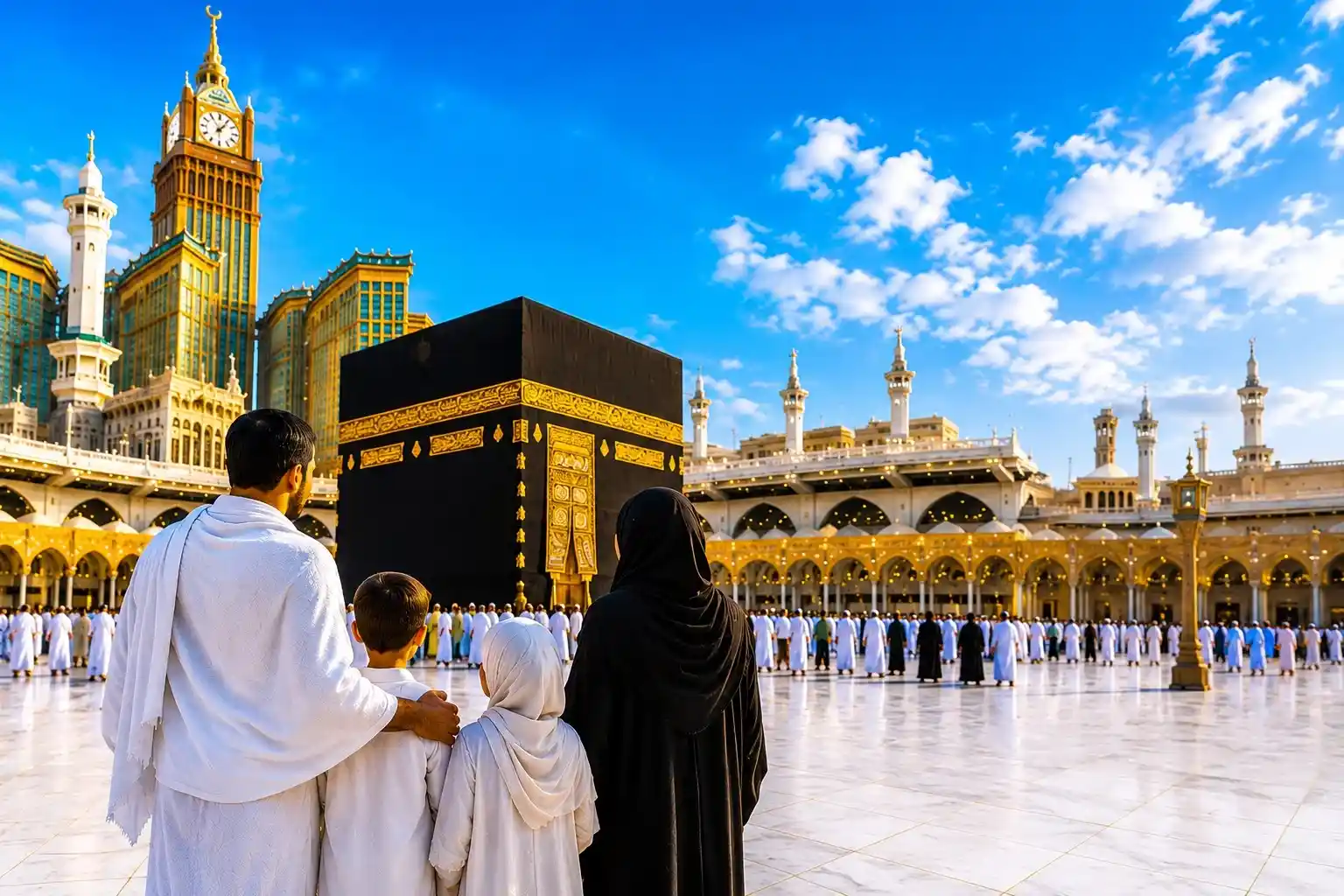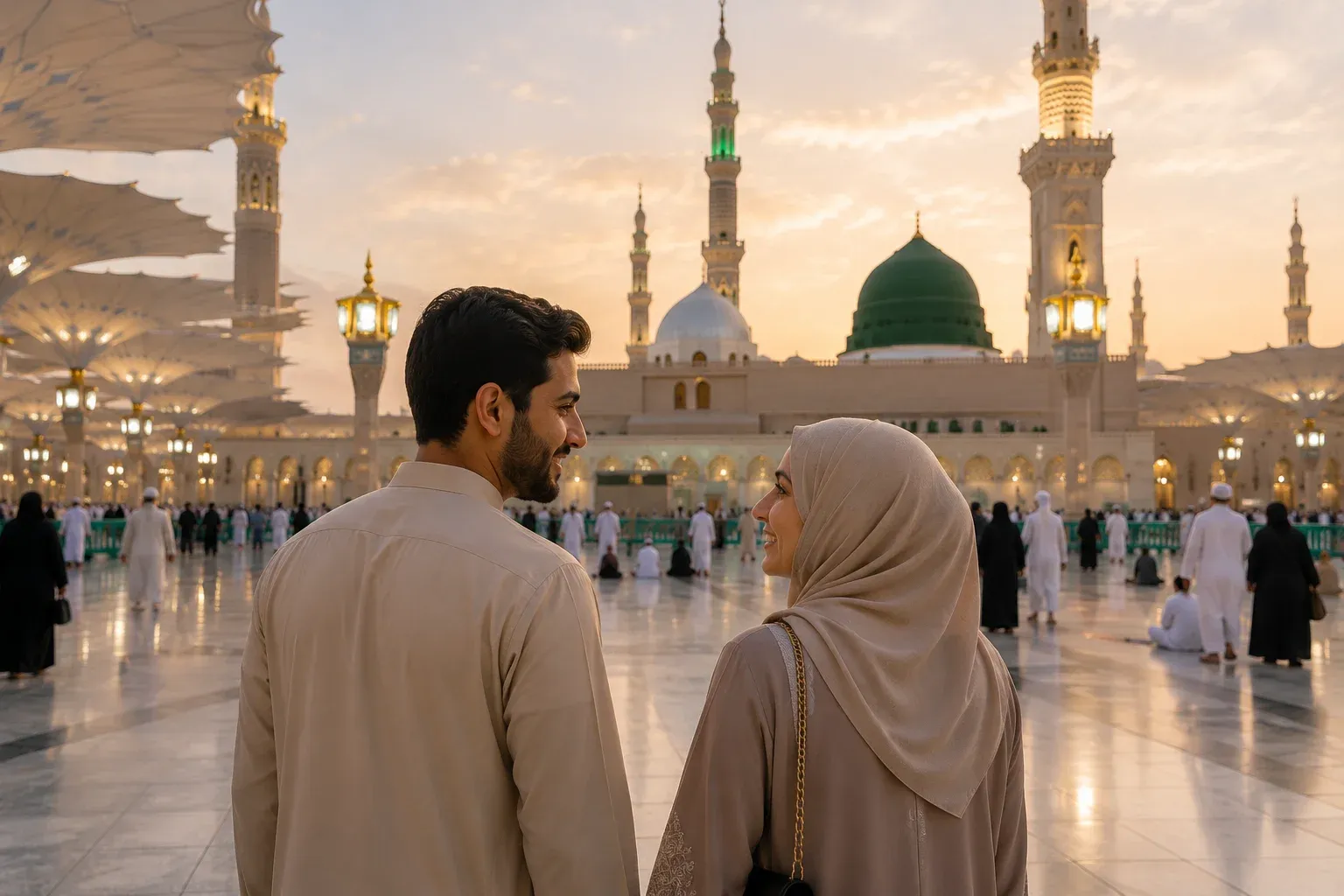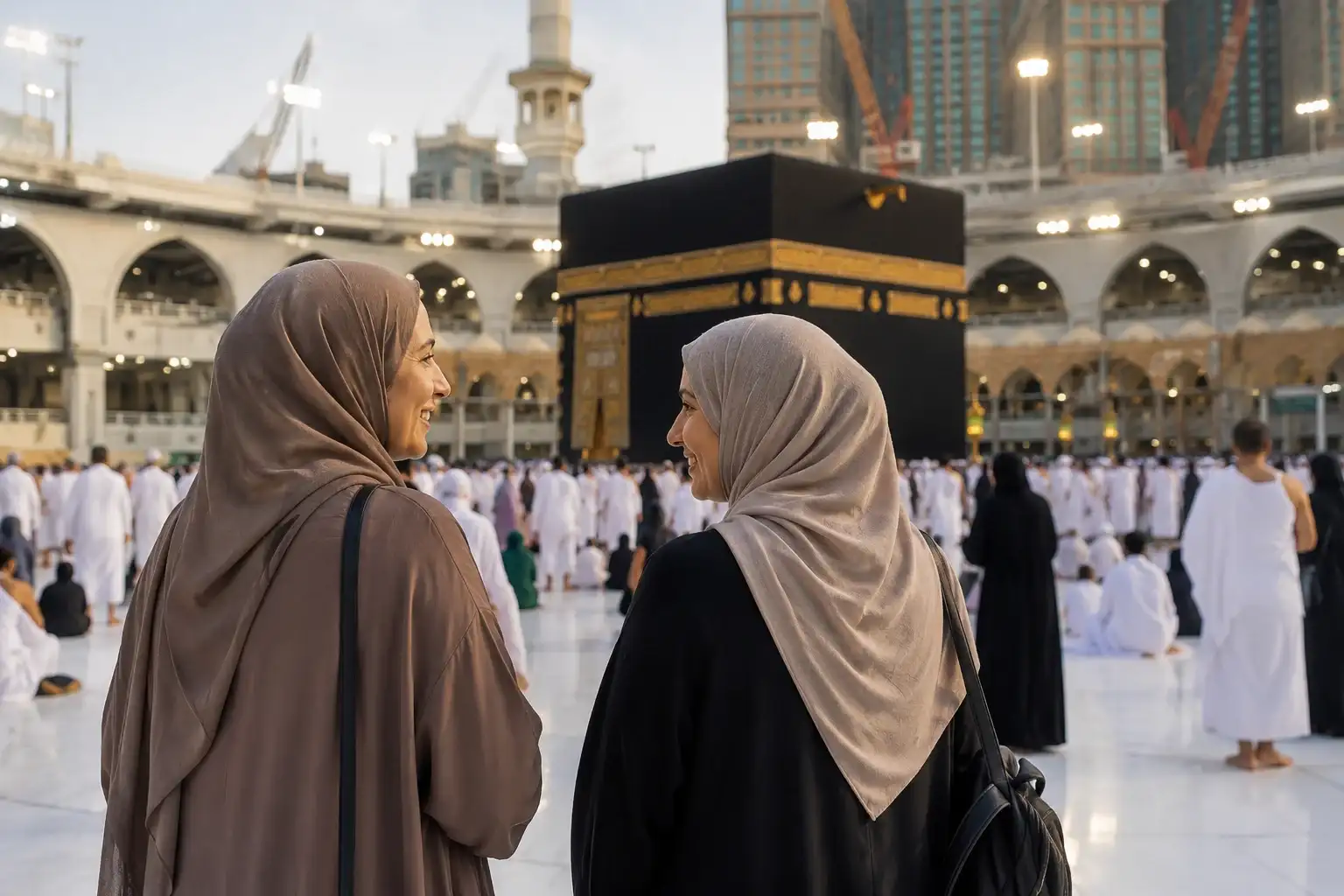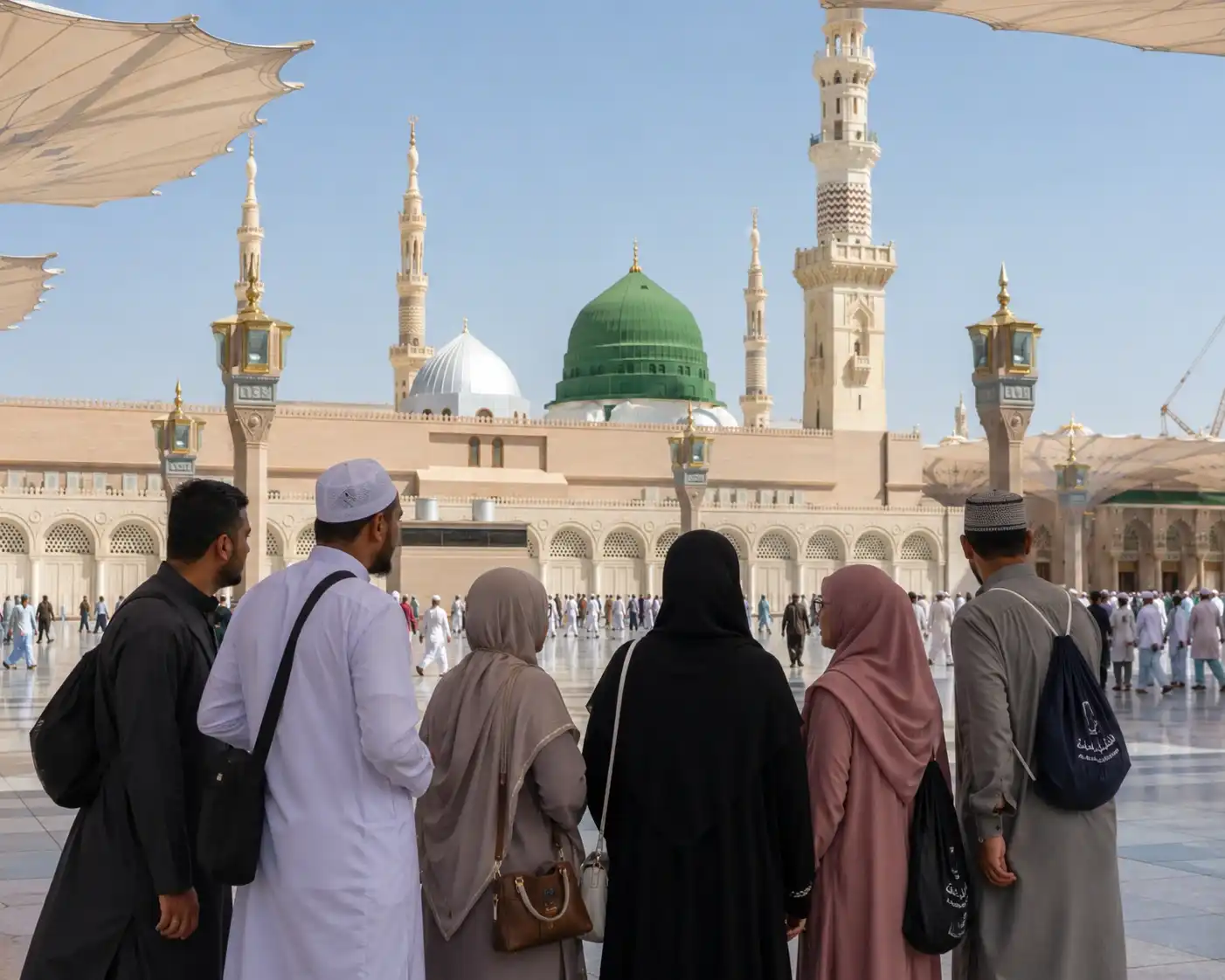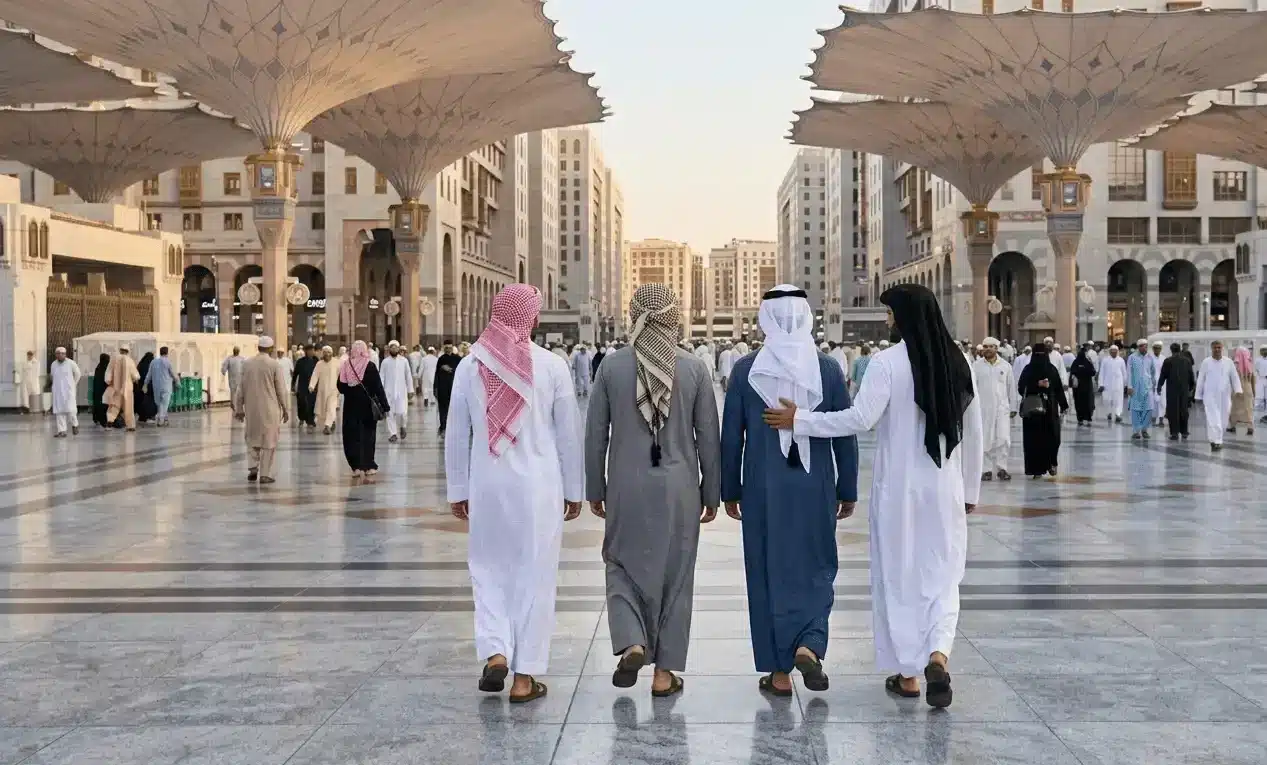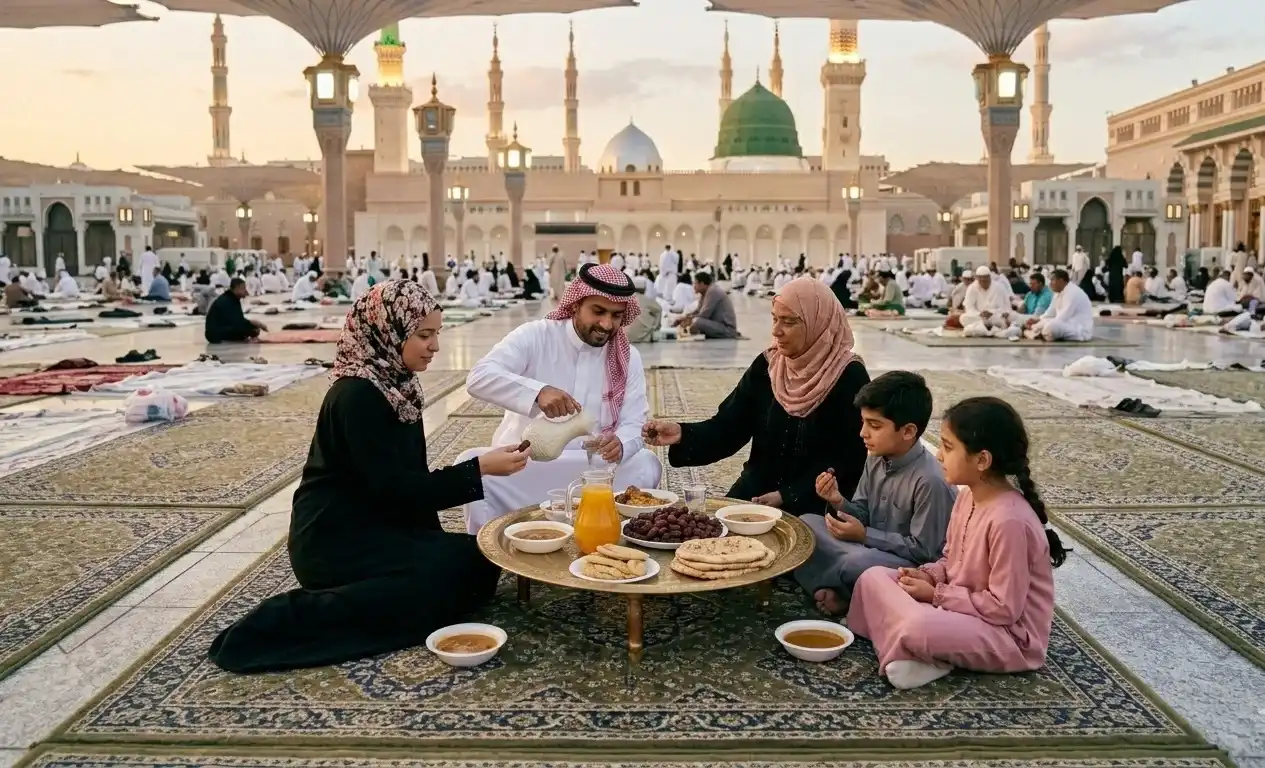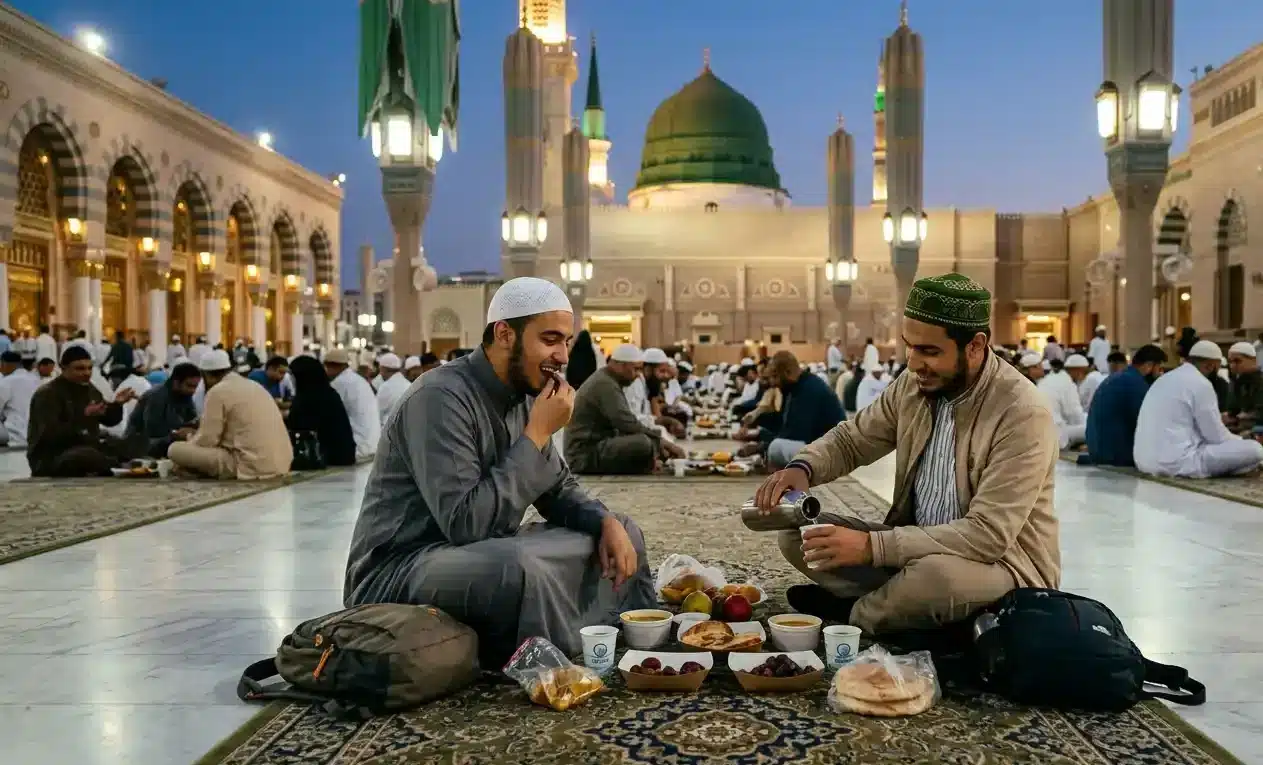
The global travel industry has changed immensely in recent years. One of the most notable changes is the increasing interest in halal-friendly travel. Muslim travelers are one of the fastest-growing traveler groups in the industry, and destinations and service providers are recognizing the significance of halal travel and changing their offerings in order to capitalize on this growing need. This is transforming not only destination offerings but also global inclusivity and cultural sensitivity as a whole.
Understanding Halal Travel
Halal travel is about putting together experiences that respect Islamic beliefs, and whether it is offering halal food, providing prayer spaces, unique and convenient recreation opportunities, or providing services that are mindful of culture, halal travel is accepting of those who practice a diverse range of religions. As more Muslim travelers travel out of their own countries than ever before, halal travel is essential due to the global implications of the market beyond accommodations and food. More importantly, halal is a symbol of global respect for countless travelers’ views and beliefs.
Economic Opportunities from Halal Tourism

The benefits of halal tourism are simply that it opens doors of opportunity for destinations to tap into an underappreciated yet multifaceted market. Each year, more and more Muslim travelers are traveling and contributing billions to the global market. Countries that represent halal tourism, such as Malaysia, Turkey, Saudi Arabia, Indonesia, and even non-Muslim majority nations such as Japan and South Korea, are growing their tourism revenues and becoming an important destination on the global tourism stage. This economic opportunity allows destinations to diversify their offerings within the tourism industry by extending current offerings, advancing infrastructure, and creating new sources of employment, and this makes Halal travel much more than a cultural title but rather a strategic move towards economic growth.
Providing Comfort and Peace of Mind for Muslim Travelers
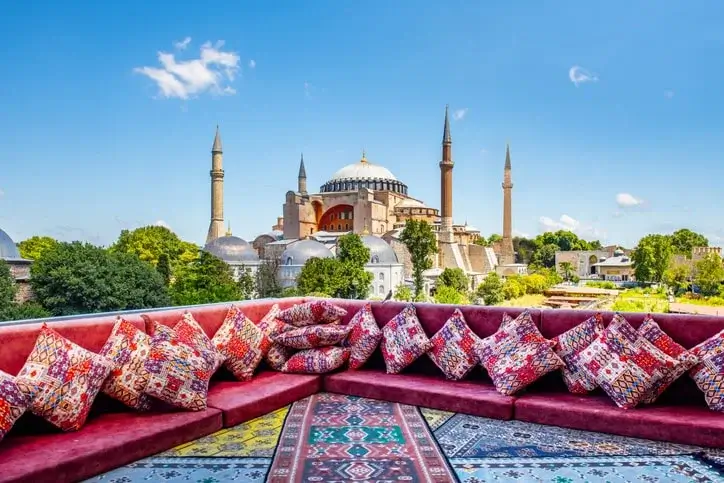
Another upside is that Halal travel offers Muslim travelers comfort and peace of mind. Being away from home can be stressful, especially if travelers must worry about sources for Halal food, prayer spaces, or destinations that offer family-friendly programs. Halal tourism eliminates this concern. When destination communities embrace Halal-friendly services for travelers, travelers benefit from a more fluid, meaningful, enriching experience. When travelers have this comfort and benefit, they are more likely to stay longer, come back, share their experiences (personal recommendations), and simply enjoy themselves, which in itself further exemplifies the benefits of Halal tourism for travelers and destinations.
Boosting Cultural Respect and Mutual Understanding
Beyond ease & comfort, Halal travel, importantly, promotes cultural respect and understanding. When countries acknowledge Halal-friendly experiences, they not only allow for a cultural experience with their Muslim travelers, but they also encourage experiences based on respect and mutual admiration. As the world begs for more cultural bridges, Halal travel presents economic growth and social exchange that refute misperceptions. Travelers return home enriched with a mix of experiences, while host countries are left with more of a global perspective.
The Role of Digital Platforms in Halal Travel
The rise of digital platforms has elevated the value of halal travel. Muslim travelers now refer to online reviews, social media, and Halal travel apps to plan travel. This increased exposure has pushed destinations to fulfill higher expectations, show transparency, and continually upgrade their experiences. Halal tourism has developed into a more orderly, accessible, and mainstream travel option.
Diversification Within Halal Tourism

In the years to come, Halal tourism will continue to surge as younger Muslim generations look to have global adventures that do not compromise their values. The sector is diversifying into Halal cruises, wellness retreats, adventure travel, and luxury experiences that all meet the expectations of a modern Muslim traveler.
Conclusion
In the end, the worldwide focus on halal travelling is not a trend but a product of a world that is increasingly inclusive, aware, and culturally responsive. Understanding halal travel and halal tourism means destinations can offer experiences to millions while enriching global tourism.