Weather conditions, seasonal events, crowd levels, and travel costs can vary significantly throughout the year. A trip during cherry blossom season feels very different from visiting in winter for snow festivals or in the quieter rainy season.
That’s why choosing the best time to travel to Japan depends on the kind of experience you want.
For travelers visiting from the USA, understanding Japan’s seasonal patterns helps with everything from budgeting to itinerary planning. Some months are better for sightseeing and outdoor activities, while others are ideal for cultural festivals, skiing, or affordable travel deals.
In this guide, you’ll learn when the best time is to travel to Japan based on weather, festivals, pricing, and travel preferences, helping you choose the right time for your trip.
Why Timing Matters When Visiting Japan
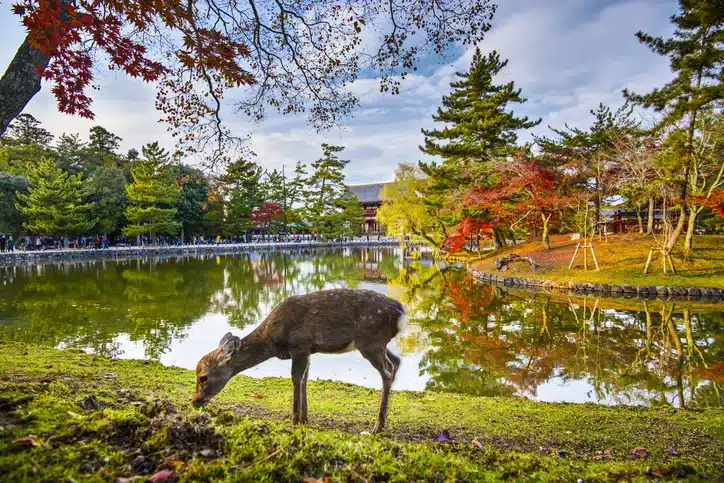
Japan is one of the few countries where every season feels like a completely new destination. In spring, cherry blossoms cover parks and temples in soft pink shades.
Summer brings colorful festivals, fireworks, and mountain adventures.
Autumn transforms the landscape into vibrant red and orange foliage, while winter offers snowy ski resorts, hot springs, and illuminated cities.
It is a year-round destination, but the season you choose can completely shape your experience. From airfare prices to hotel availability, seasonal weather affects almost every part of your trip.
Seasonal Changes Impact Travel Costs
Japan experiences major tourist peaks during cherry blossom season, Golden Week, and autumn foliage months. During these periods, hotels in Tokyo, Kyoto, and Osaka often sell out months in advance.
Traveling during quieter months like June or February can significantly reduce costs for flights and accommodations.
Weather Influences Activities
The weather also determines what experiences are available. Spring and autumn are ideal for sightseeing and walking tours, while winter is best for skiing and hot spring retreats.
Summer can be humid in large cities, but it’s also festival season across the country.
Festivals Create Unique Experiences
Japan’s seasonal festivals are deeply connected to local traditions. Planning your trip around these events can make your journey more immersive and memorable.
This is why many travelers spend time researching the best times to travel to Japan before booking flights.
Understanding Japan’s Four Seasons

Japan experiences four distinct seasons, each offering unique scenery, food, weather, and cultural events. Understanding these seasonal differences helps travelers decide which months align best with their travel goals.
Spring in Japan (March to May)
Spring is often considered the most beautiful season in Japan. Mild temperatures and blooming cherry blossoms create a picture-perfect atmosphere across the country.
- Cherry Blossom Season
Sakura season usually begins in late March in Tokyo and Kyoto before gradually moving north toward Hokkaido.
Popular cherry blossom destinations include:
- Ueno Park in Tokyo
- Maruyama Park in Kyoto
- Osaka Castle Park
- Mount Yoshino in Nara
- Hanami, or flower viewing, becomes a nationwide tradition during this period.
- Weather During Spring
- Temperatures usually range between 50°F and 70°F.
- The weather feels comfortable for walking tours, temple visits, and outdoor sightseeing.
- Rainfall remains relatively low compared to summer months.
- Travel Costs and Crowds
- Spring is one of Japan’s busiest tourism seasons.
- Hotels and flights become expensive, especially during:
- Cherry blossom peak weeks
- Golden Week holidays
- School vacation periods
Despite higher prices, many travelers still consider spring the best time to travel to Japan because of the scenery and pleasant weather.
Summer in Japan (June to August)
Summer in Japan is energetic, colorful, and festival-focused. While temperatures can become hot and humid, this season also offers some of the country’s biggest cultural events.
- June: Japan’s Rainy Season
- The rainy season, known as tsuyu, usually starts in June and lasts into July.
- Rainfall increases across much of Japan, especially in central and southern regions.
- However, rain often comes in short periods rather than continuous storms.
- Summer Festivals and Fireworks
Summer is famous for traditional matsuri festivals and fireworks displays.
Major events include:
- Gion Matsuri in Kyoto
- Sumida River Fireworks Festival in Tokyo
- Nebuta Matsuri in Aomori
These events showcase traditional Japanese culture through music, dancing, food stalls, and lantern displays.
- Best Summer Destinations
Travelers wanting cooler temperatures often head to:
- Hokkaido
- Japanese Alps
- Hakone
- Okinawa beaches
For festival lovers and adventure travelers, summer may be one of the best times to travel to Japan.
Autumn in Japan (September to November)
Autumn offers a balance of comfortable weather, fewer crowds, and breathtaking foliage. Many experienced travelers consider this season even better than spring.
- Autumn Foliage Season
Japan’s fall colors begin in northern regions during September and gradually move south through November.
Popular foliage destinations include:
- Kyoto temples
- Nikko National Park
- Arashiyama Bamboo Grove
- Lake Kawaguchi
- Maple trees turn bright shades of red, orange, and gold.
- Weather in Autumn
- Temperatures remain mild, generally between 55°F and 75°F.
- Humidity drops significantly compared to summer, making sightseeing far more comfortable.
- Why Travelers Love Autumn
Autumn combines:
- Pleasant weather
- Scenic landscapes
- Seasonal cuisine
- Lower humidity
- Comfortable travel conditions
If you’re wondering when is the best time to travel to Japan for sightseeing and photography, autumn is one of the strongest choices.
Winter in Japan (December to February)
Winter transforms Japan into a destination known for snow festivals, hot springs, and world-class skiing.
- Japan’s Winter Weather
Weather conditions vary greatly depending on location.
- Tokyo stays relatively mild
- Kyoto becomes chilly
- Hokkaido receives heavy snowfall
Northern Japan experiences some of the world’s best powder snow conditions.
- Ski Resorts and Snow Activities
Japan attracts international winter sports travelers because of its ski resorts.
Popular ski destinations include:
- Niseko
- Hakuba Valley
- Furano
Winter activities also include snowboarding, snowshoeing, and snow festivals.
- Hot Springs and Winter Culture
Winter is also the perfect season for:
- Onsen experiences
- Traditional ryokans
- Winter illuminations
- New Year celebrations
For travelers seeking fewer crowds and cozy experiences, winter can be the best time to travel to Japan.
Month-by-Month Japan Weather Guide

Weather conditions can vary significantly throughout the year. This monthly breakdown helps travelers understand what to expect before booking a trip.
- January to February
These are Japan’s coldest months.
Best for:
- Ski trips
- Snow festivals
- Hot spring resorts
Tourist crowds remain manageable outside the New Year holiday period.
Travel Tip:
Budget travelers often find lower airfare prices during February.
- March to April
Spring arrives, bringing cherry blossoms and warmer temperatures.
Best for:
- Sakura viewing
- Outdoor sightseeing
- Temple visits
This period is considered by many to be the best time to travel to Japan for first-time visitors.
Important Note
Cherry blossom timing changes slightly every year depending on weather conditions.
- May
May offers sunny weather and comfortable temperatures across most of Japan.
Best for:
- Family vacations
- Nature walks
- Day trips
However, Golden Week holidays create large domestic travel crowds.
- June
June marks the rainy season in much of the country.
Best for:
- Budget-conscious travelers
- Indoor attractions
- Lower hotel rates
Tourist numbers usually decrease during this month.
- July to August
Summer reaches peak temperatures during these months.
Best for:
- Fireworks festivals
- Mountain hiking
- Beach vacations
Travelers sensitive to heat should consider visiting Hokkaido instead of major cities.
- September to November
Autumn foliage transforms Japan into one of the world’s most scenic travel destinations.
Best for:
- Photography
- Cultural tours
- Hiking
For many travelers asking when is the best time to travel to Japan, this season offers the best balance of weather and crowd levels.
- December
December introduces festive illuminations and winter markets.
Best for:
- Romantic trips
- Winter scenery
- Shopping
Crowds increase again closer to the New Year celebrations.
Best Festivals in Japan by Season

Japan’s festivals reflect centuries of tradition and local culture. Planning around these events adds depth and authenticity to your trip.
- Spring Festivals
Spring festivals celebrate renewal and the cherry blossom season.
- Takayama Spring Festival
Known for ornate parade floats and traditional performances.
- Cherry Blossom Festivals
Cities across Japan host evening illuminations, food stalls, and cultural events during sakura season.
- Summer Festivals
Summer is Japan’s most active festival season.
- Gion Matsuri (Kyoto)
One of Japan’s most famous festivals, featuring giant decorative floats.
- Awa Odori Festival
A lively dance festival held in Tokushima every August.
- Fireworks Festivals
Major fireworks displays occur throughout Tokyo, Osaka, and Yokohama.
These celebrations are one reason summer remains among the best times to travel to Japan for cultural experiences.
- Autumn Festivals
Autumn festivals often focus on harvest traditions and seasonal celebrations.
- Jidai Matsuri
A historical parade featuring costumes from different Japanese eras.
- Moon Viewing Festivals
Traditional moon-viewing celebrations feature seasonal foods and performances.
- Winter Festivals
Winter festivals showcase snow sculptures, illuminations, and local traditions.
- Sapporo Snow Festival
One of Japan’s largest winter attractions, featuring giant ice sculptures and nighttime displays.
- New Year Celebrations
Temples and shrines become gathering places for spiritual traditions and prayers.
Best Time to Visit Japan Based on Travel Style
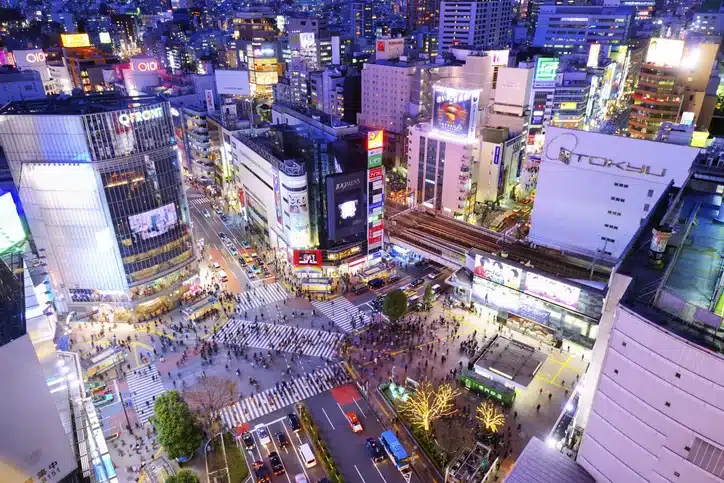
Different travel styles benefit from different seasons.
Best Time for Budget Travelers
Traveling during the shoulder seasons helps reduce costs.
Cheapest Months
The most affordable months typically include:
- February
- June
- September
Flights and hotels are often cheaper during these periods.
Budget Travel Advice
To save money:
- Book flights early
- Use rail passes
- Stay outside city centers
- Avoid Golden Week
Travelers seeking lower costs often discover these are the best times to travel to Japan financially.
Best Time for Families
Families usually prioritize comfortable weather and easy sightseeing.
Recommended Seasons
Spring and autumn provide:
- Pleasant temperatures
- Better walking conditions
- Family-friendly festivals
Must-Visit Places
Popular attractions include:
- Tokyo Disneyland
- Universal Studios Japan
- Kyoto cultural districts
Best Time for Couples
Japan offers romantic experiences throughout the year.
Most Romantic Seasons
Spring:
- Cherry blossom picnics
- River cruises
- Garden walks
Winter:
- Snow-covered hot springs
- Illuminated streets
- Cozy ryokans
Many honeymooners consider spring the best time to travel to Japan because of the iconic sakura atmosphere.
Best Time for Outdoor Adventures
Outdoor travelers should choose seasons based on specific activities.
Hiking
Best months:
- October
- November
- May
Skiing
Best months:
- December to February
Beaches and Diving
Best months:
- July to September
Okinawa becomes especially popular during the summer.
Is Rainy Season a Bad Time to Visit Japan?

Many travelers hesitate to visit during Japan’s rainy season, but it has advantages worth considering.
Understanding the Rainy Season
The rainy season usually occurs from June through mid-July.
Rainfall varies depending on region and elevation.
Pros of Visiting During the Rainy Season
Benefits include:
- Lower hotel rates
- Fewer crowds
- Greener landscapes
- Easier reservations
Cons of Rainy Season
Potential downsides:
- Humidity
- Wet sightseeing days
- Occasional transportation delays
Travelers prepared with flexible plans can still enjoy Japan during this season.
Regional Climate Differences in Japan
Japan stretches across multiple climate zones, meaning weather conditions vary greatly by region.
- Tokyo and Central Japan
Tokyo experiences:
- Humid summers
- Mild winters
- Comfortable spring and autumn weather
This region works well for first-time visitors.
- Kyoto and Osaka
Kyoto and Osaka are known for:
- Beautiful autumn foliage
- Historic districts
- Hot summers
- Spring and autumn remain the most comfortable seasons here.
- Hokkaido
Northern Japan experiences:
- Long snowy winters
- Cooler summers
- Excellent ski conditions
Hokkaido is ideal for travelers avoiding summer humidity.
- Okinawa
Okinawa has a tropical climate with:
- Warm temperatures year-round
- Beaches and diving
- Higher typhoon risk in late summer
Understanding regional differences helps travelers decide when is the best time to travel to Japan based on their planned destinations.
Final Thoughts
Japan offers something unique in every season. Spring delivers world-famous cherry blossoms, summer brings lively festivals, autumn creates breathtaking foliage landscapes, and winter transforms the country into a snow-covered wonderland.
Ultimately, the best time to travel to Japan depends on your priorities. Whether you want seasonal festivals, lower prices, outdoor adventures, or romantic scenery, Japan offers unforgettable experiences throughout the year.
For most first-time travelers from the USA, spring and autumn provide the best combination of comfortable weather, scenic beauty, and cultural experiences. However, budget travelers may prefer quieter months like February or June, while ski enthusiasts should plan for winter.
If you are still deciding when is the best time to travel to Japan, focus on the experiences that matter most to you. Every season reveals a different side of the country, making Japan one of the world’s most rewarding destinations in any month of the year.