Guide To The Complete History Of Madinah City
The history of Madinah City is one of the most remarkable chapters in Islamic civilization, carrying immense cultural and spiritual significance for millions around the globe.
Known as Al-Madinah Al-Munawwarah, aka The Radiant City, Madinah is not just a geographical location; it is a living testament to the dawn of Islam, its growth, and its enduring legacy.
In this blog, we will walk you through the rich Islamic heritage of Madinah, explore timeless historical places in Madinah, and uncover how the city continues to be a beacon of faith and learning.
The Origin of the City: Pre-Islamic Madinah
Before the rise of Islam, Madinah was known as Yathrib or Yasrib. Historical records point to it as an oasis with thriving agriculture and trade routes. Its lush palm groves made it an attractive settlement.
Jewish tribes, alongside Arab inhabitants, formed much of the early community here. This foundation set the stage for the transformative era that would follow.
The Arrival of Prophet Muhammad (PBUH)
The true turning point in the history of Madinah City came with the migration (Hijrah) of Prophet Muhammad (PBUH) in 622 CE. This marked the start of the Islamic calendar and transformed Yathrib into Madinah, the “City of the Prophet.” With his arrival, Madinah became the center of Islamic leadership, governance, and community building.
Key Events in the History of Madinah City
- Battle of Badr (624 CE): A decisive early victory that strengthened the Muslim community.
- Battle of Uhud (625 CE): A reminder of perseverance and resilience, fought near Mount Uhud just outside the city.
- Treaty of Hudaybiyyah (628 CE): A pivotal peace treaty showing Madinah’s role in diplomacy.
- Farewell Pilgrimage (632 CE): Prophet Muhammad’s final pilgrimage, guiding future generations.
Each of these moments embedded Madinah as a cornerstone of Islamic history.
Historical Places in Madinah You Must Know
Visitors who explore Madinah today encounter sites that echo stories of the past:
1. Al-Masjid an-Nabawi
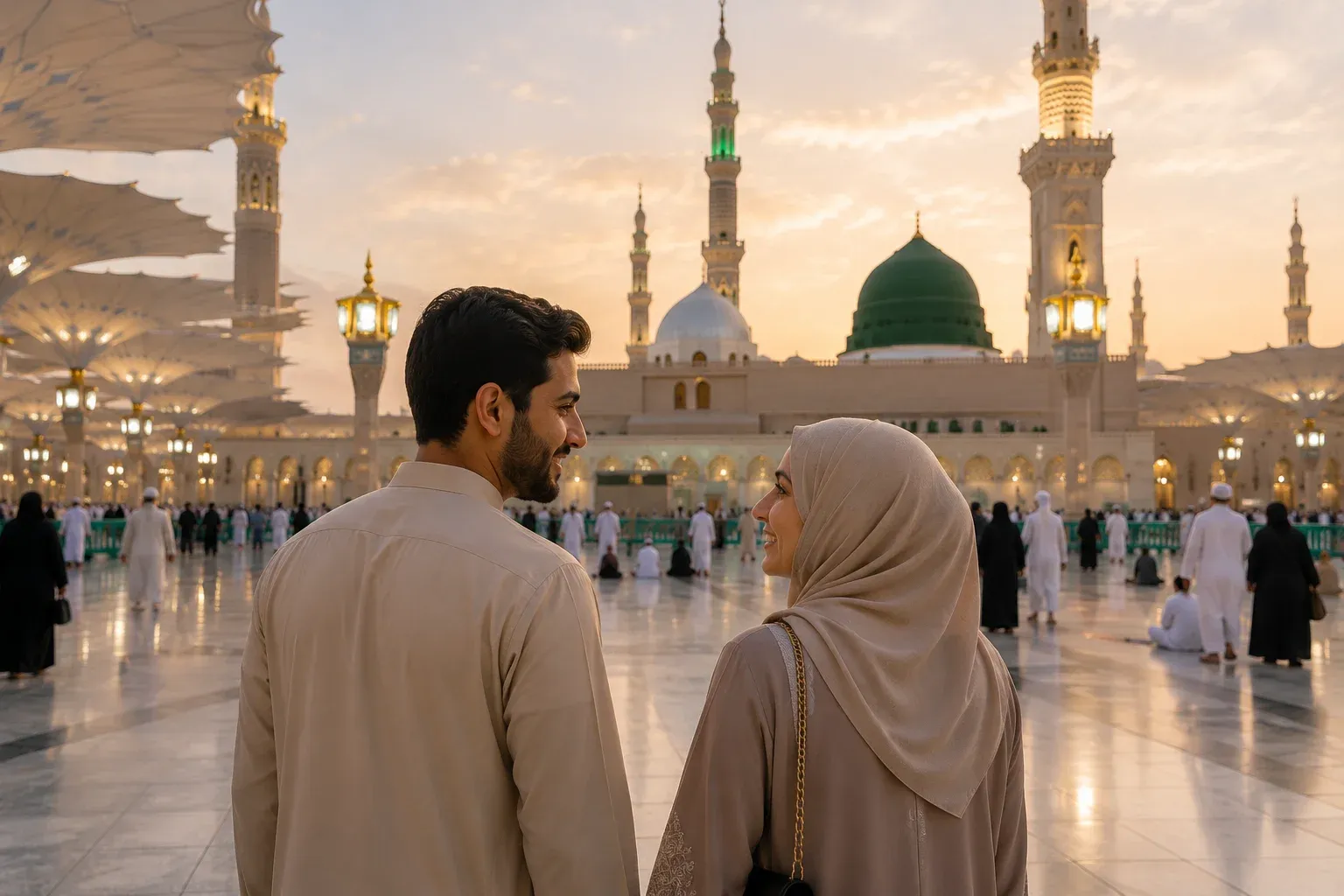
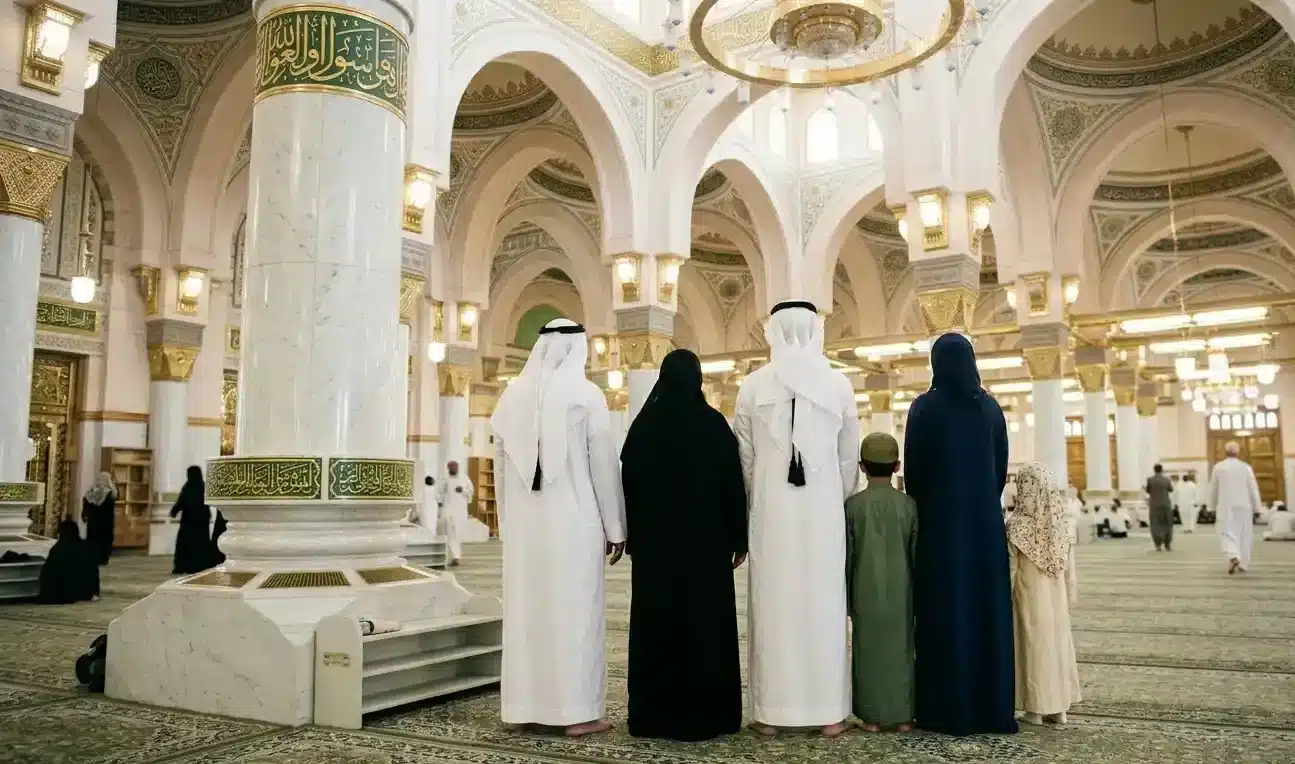
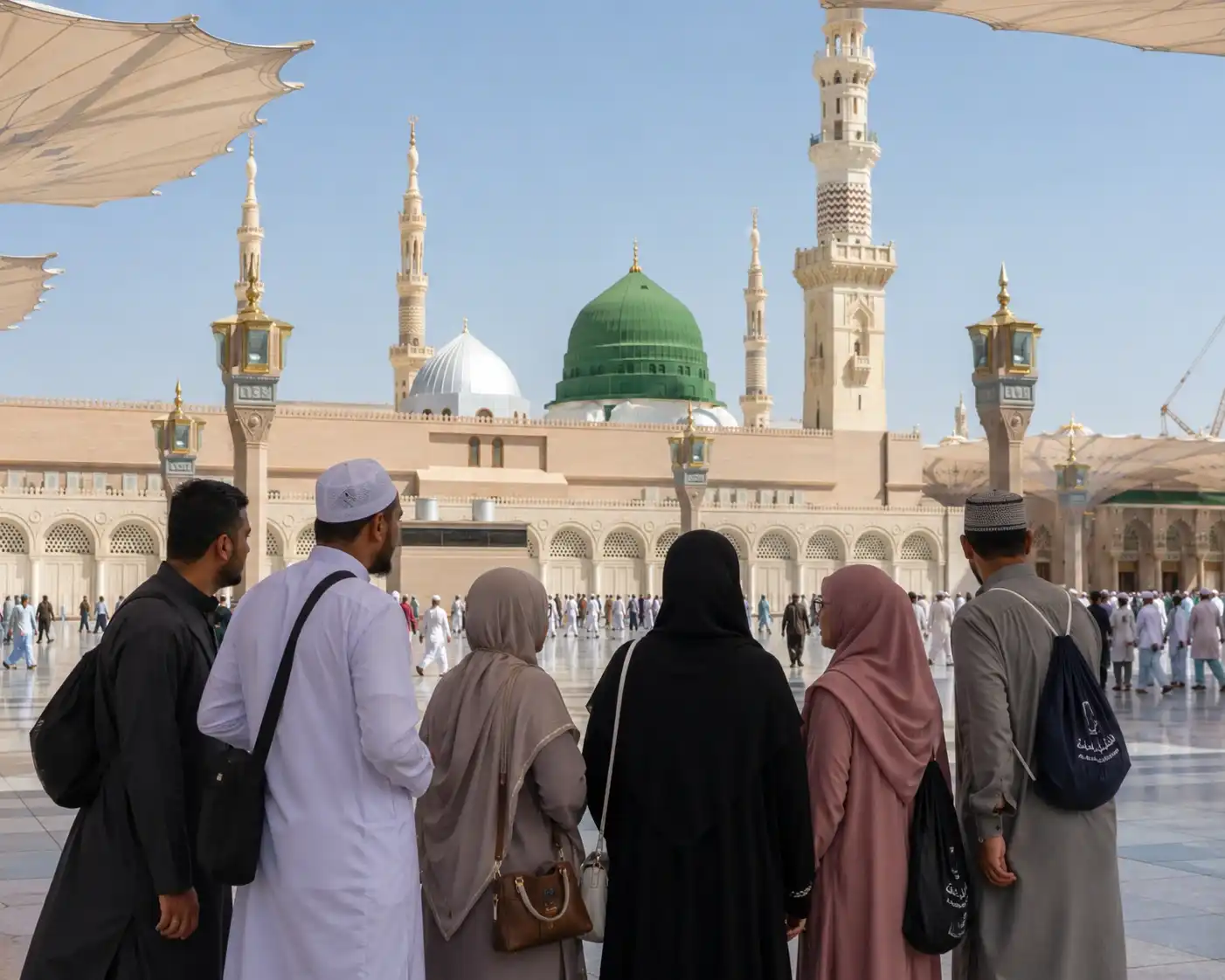
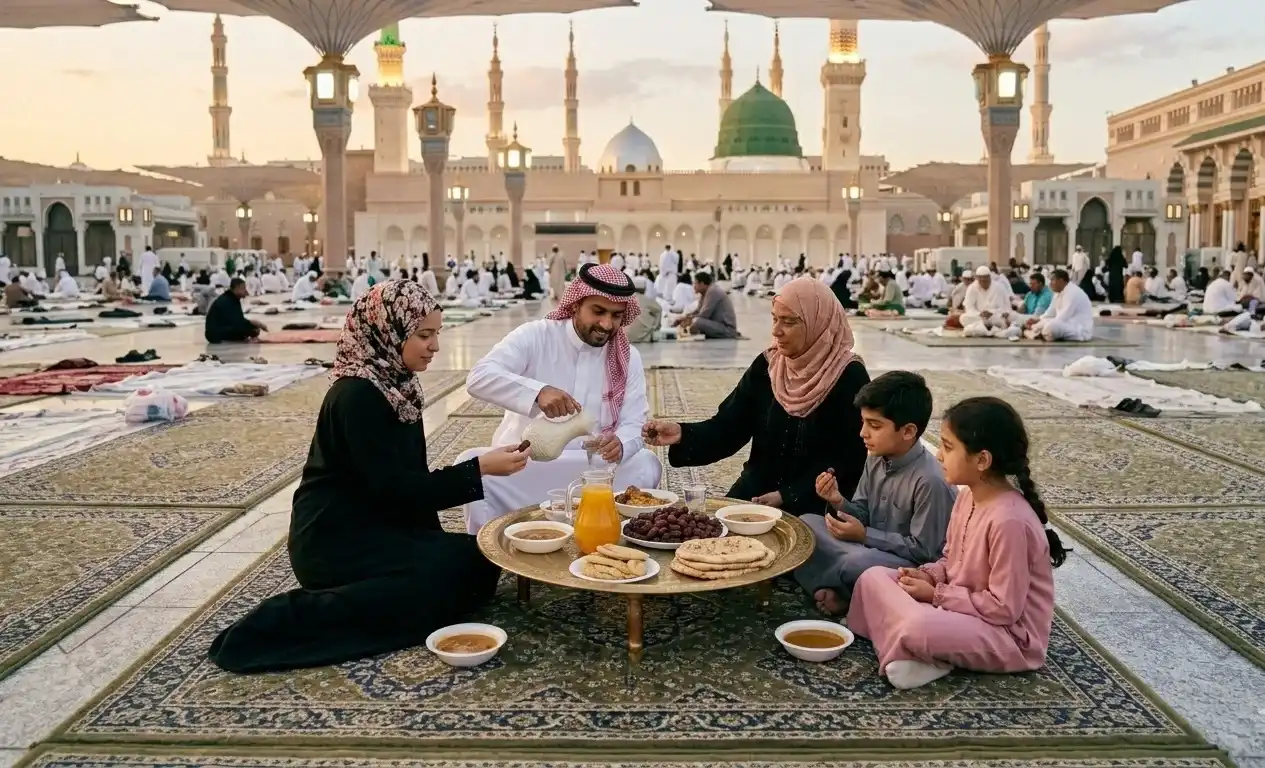
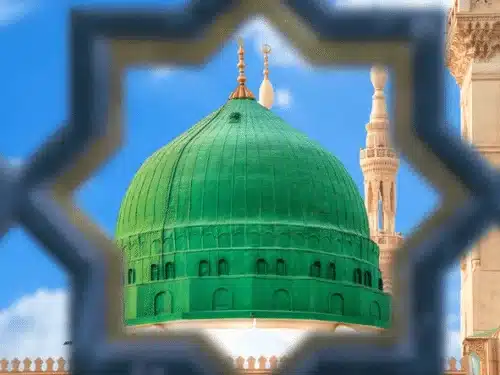
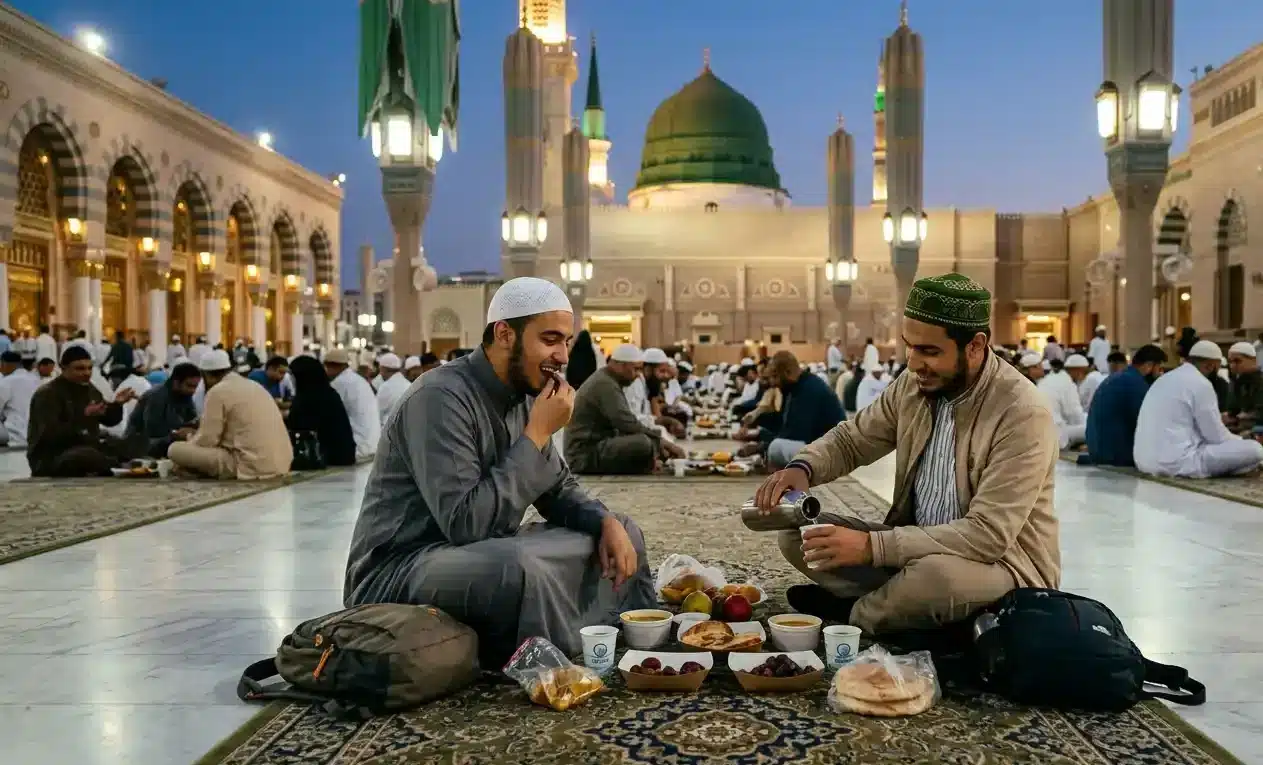
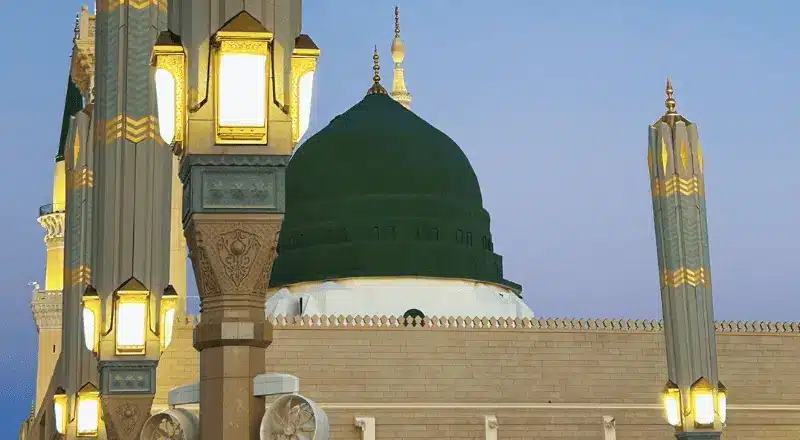
The Prophet’s Mosque, with the blessed Green Dome, is more than architecture. It is the spiritual heart where the Prophet Muhammad (PBUH) rests. Its vast courtyards echo the gatherings of companions, the first sermons, and the essence of a community learning faith, patience, and mercy.
2. Quba Mosque
Quba Mosque, built by the Prophet (PBUH) and his companions, is the first mosque in Islam and serves as a quiet reminder of simplicity, sincerity, and the spiritual weight of intention.
3. Uhud Mountain
Uhud Mountain is not just a mountain. It is a silent witness to sacrifice. Standing tall, it carries the memory of bravery and loss from the Battle of Uhud, reminding visitors that faith has always accompanied trials, resilience, and lessons learned through hard work.
4. Qiblatain Mosque
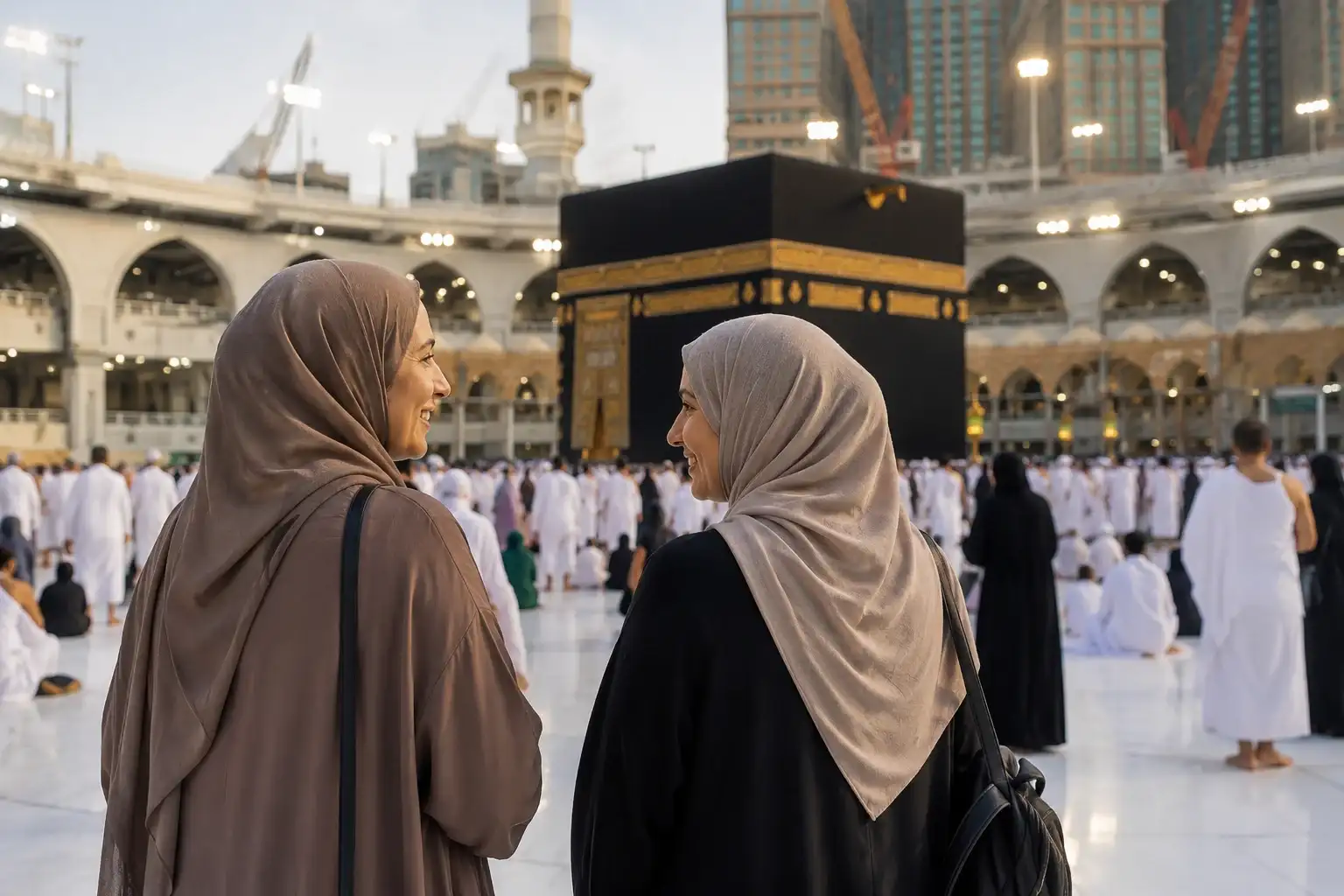
Known as the mosque of two Qiblahs, where the direction of prayer changed towards the Kaaba in Makkah, this mosque captures a moment of transition. It embodies the idea that faith evolves, adapts, and follows divine guidance no matter how anchored one feels in habit.
5. Baqi Cemetery, aka Jannat al-Baqi
It is not just a cemetery but a living testament to companionship, loyalty, and the continuity of the Islamic legacy. Every stone there feels heavy with remembrance.
Each of these locations keeps alive the spirit of early Islam and offers modern believers a chance to step back into history.
The Lasting Islamic Heritage of Madinah
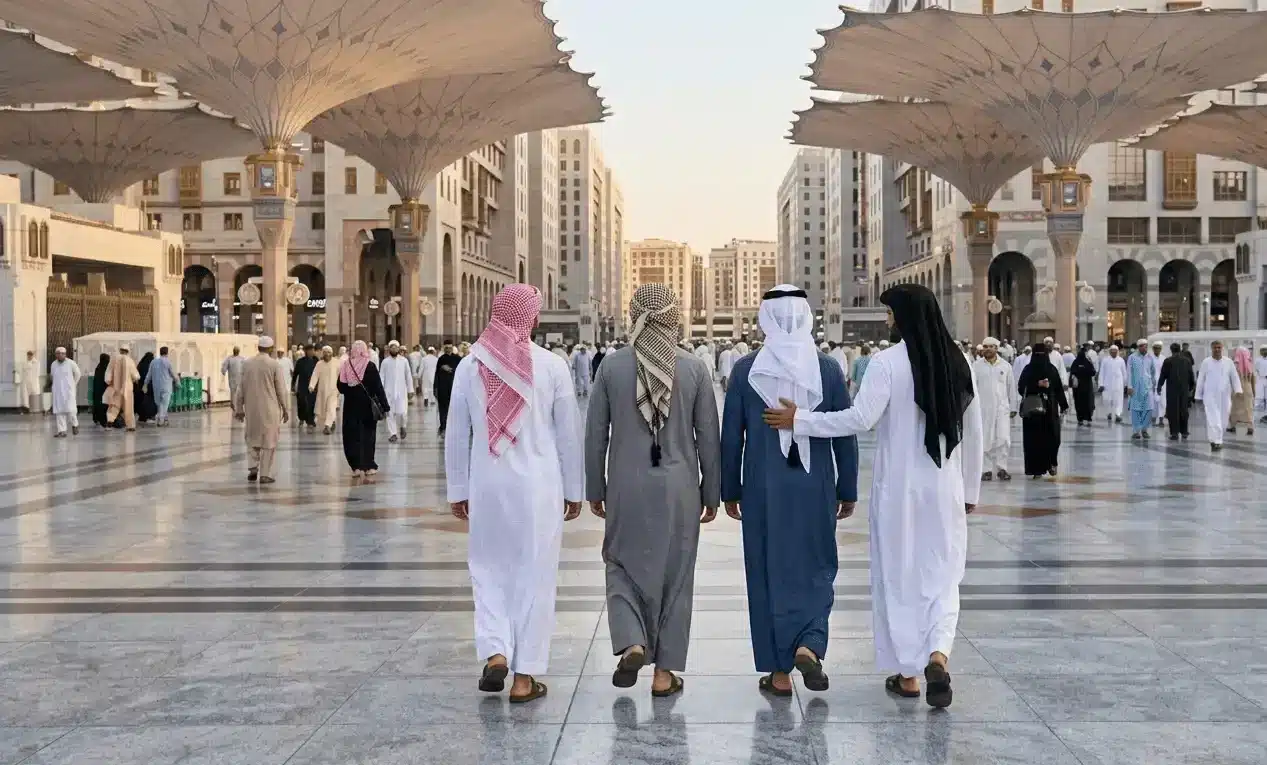
Today, the Islamic heritage of Madinah continues to thrive, not just in stone and structure, but in the teachings, scholarship, and culture it inspires. As the second-holiest city in Islam after Makkah, Madinah serves as a place of spiritual renewal for pilgrims arriving for Hajj and Umrah.
Exploring the historical places in Madinah helps believers connect with the roots of their faith, while its enduring Islamic heritage continues to illuminate lives across generations.