What makes Japanese food special is its regional diversity. Different cities are known for signature dishes, and many foods are linked to festivals, seasons, or local ingredients. Travelers can enjoy everything from affordable street food to luxury dining experiences.
For first-time visitors, exploring the traditional foods in Japan is often just as memorable as visiting temples, cherry blossom parks, or historic districts. Japanese cuisine focuses on balance, fresh ingredients, and presentation. Even simple dishes are carefully prepared and tied to local customs.
This guide introduces the top dishes travelers should try during their trip. You’ll learn what each food is, what it tastes like, where to find it, and which dishes best suit different travel styles and preferences.
Sushi: Japan’s Most Iconic Dish
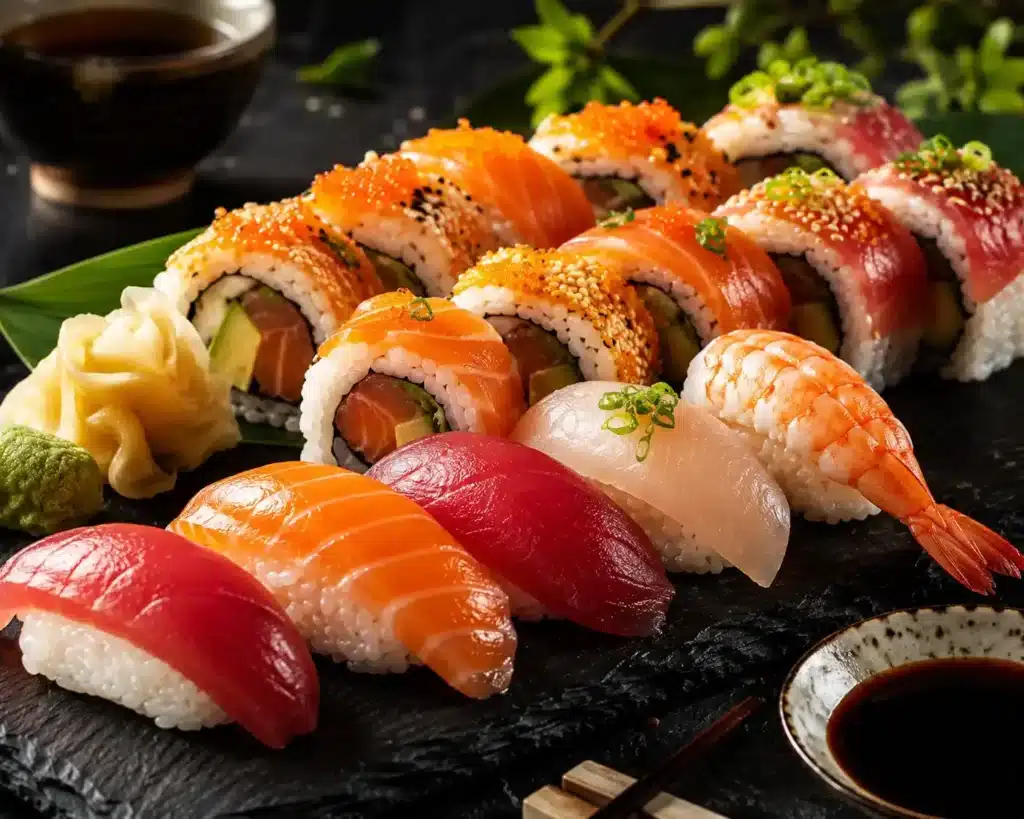
Sushi is one of the most recognized Japanese dishes in the world. However, sushi in Japan often tastes very different from what many travelers experience in the USA.
What Is Sushi?
Sushi combines vinegared rice with ingredients like:
- Raw fish
- Seaweed
- Egg
- Vegetables
There are several styles, including:
- Nigiri
- Maki rolls
- Sashimi
- Temaki hand rolls
Best Places to Try Sushi in Japan
For authentic sushi experiences, travelers often visit:
- Tokyo’s sushi counters
- Tsukiji Outer Market
- Local conveyor belt sushi restaurants
Luxury omakase dining is popular in Tokyo, while budget-friendly sushi chains are available throughout the country.
What Sushi Tastes Like
Freshness is the key feature of Japanese sushi. Fish textures, rice quality, and simple seasoning create delicate flavors rather than overpowering tastes.
Trying sushi is often the starting point for travelers exploring traditional foods in japan for the first time.
Ramen: Japan’s Comfort Food Favorite
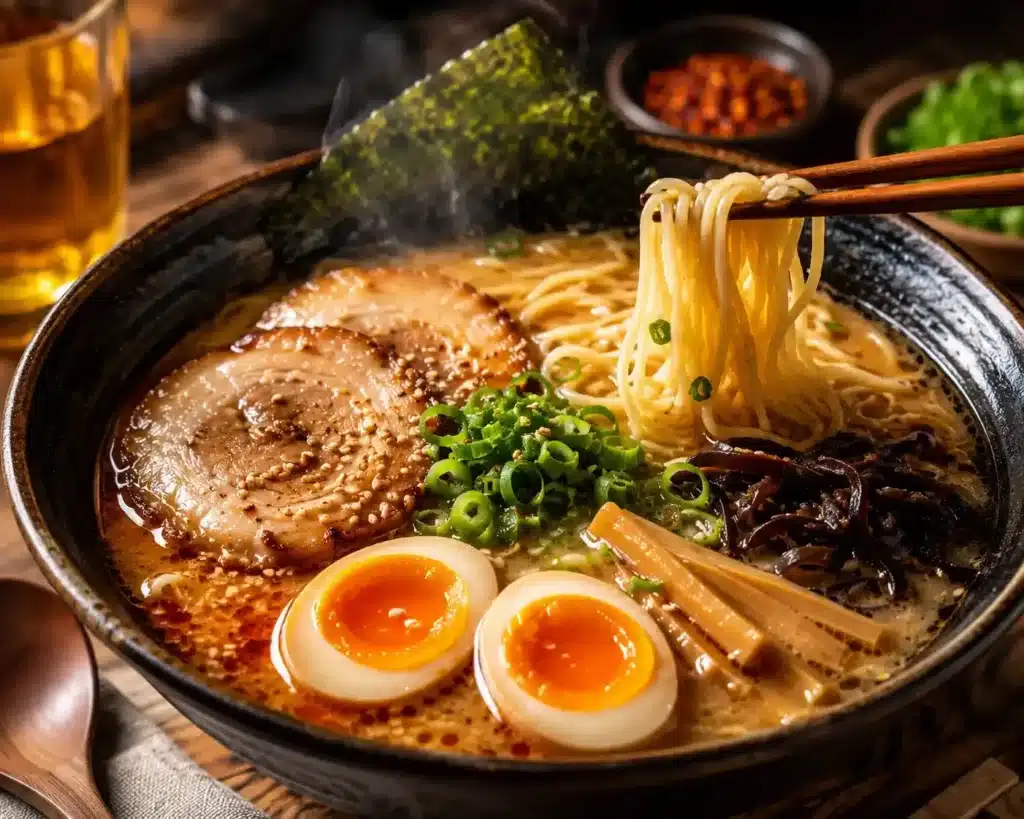
Ramen is one of Japan’s most loved everyday meals. It’s affordable, filling, and available in nearly every city.
Different Types of Ramen
Ramen consists of noodles served in flavorful broth with toppings like pork, eggs, seaweed, and green onions.
Popular broth styles include:
- Shoyu (soy sauce)
- Miso
- Tonkotsu (pork bone)
- Shio (salt-based)
Regional Ramen Styles
Different regions have unique ramen variations:
- Fukuoka is famous for tonkotsu ramen
- Sapporo is known for miso ramen
- Tokyo ramen often uses soy sauce broth
Best Places to Eat Ramen
Travelers can enjoy ramen at:
- Local ramen shops
- Train station restaurants
- Late-night food alleys
Ramen shops are perfect for solo travelers and budget-conscious visitors.
Tempura: Light and Crispy Japanese Fried Food
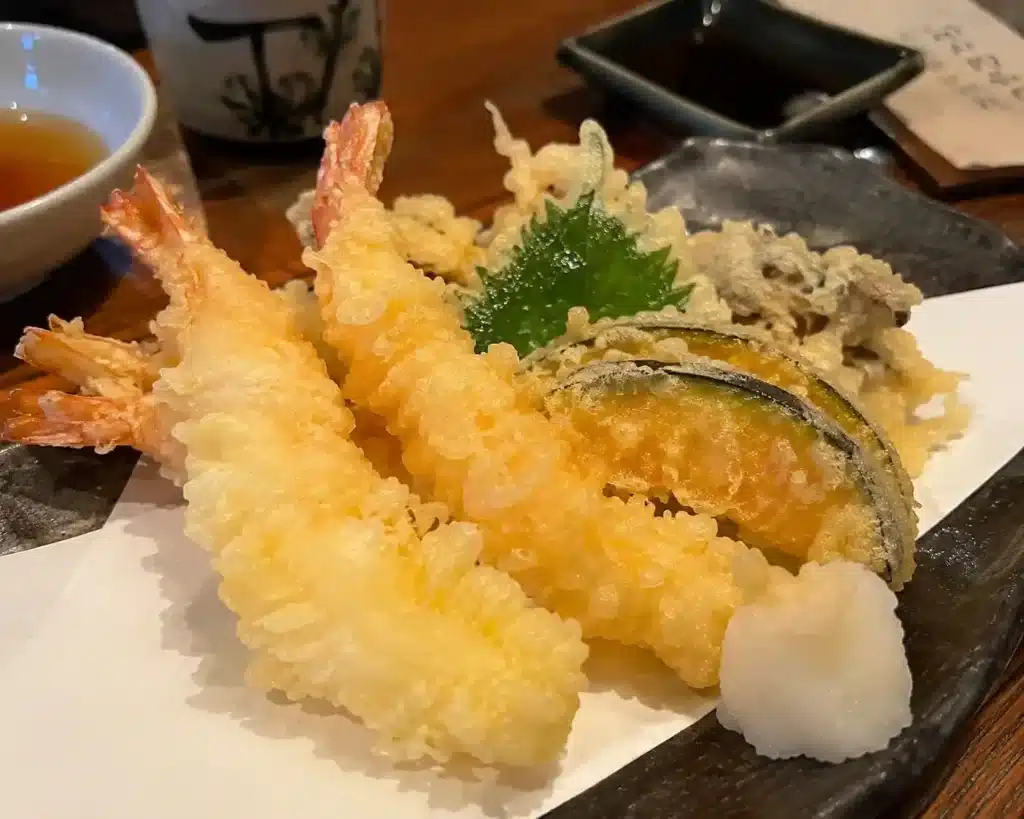
Tempura is one of the most popular fried dishes in Japan. Unlike heavy fried foods in many countries, tempura feels light and delicate.
What Makes Tempura Special?
Tempura uses seafood or vegetables coated in a thin batter and fried quickly.
Common ingredients include:
- Shrimp
- Sweet potato
- Mushrooms
- Eggplant
- Fish
How Tempura Is Served
Tempura is usually paired with:
- Rice bowls
- Dipping sauce
- Soba noodles
High-end tempura restaurants carefully fry each item individually for maximum freshness.
Where to Try Tempura
Tokyo has some of Japan’s best tempura restaurants, but travelers can also enjoy affordable versions at local eateries.
Many visitors interested in Japanese traditional food appreciate tempura because the flavors are approachable and familiar.
Okonomiyaki: Japan’s Savory Pancake
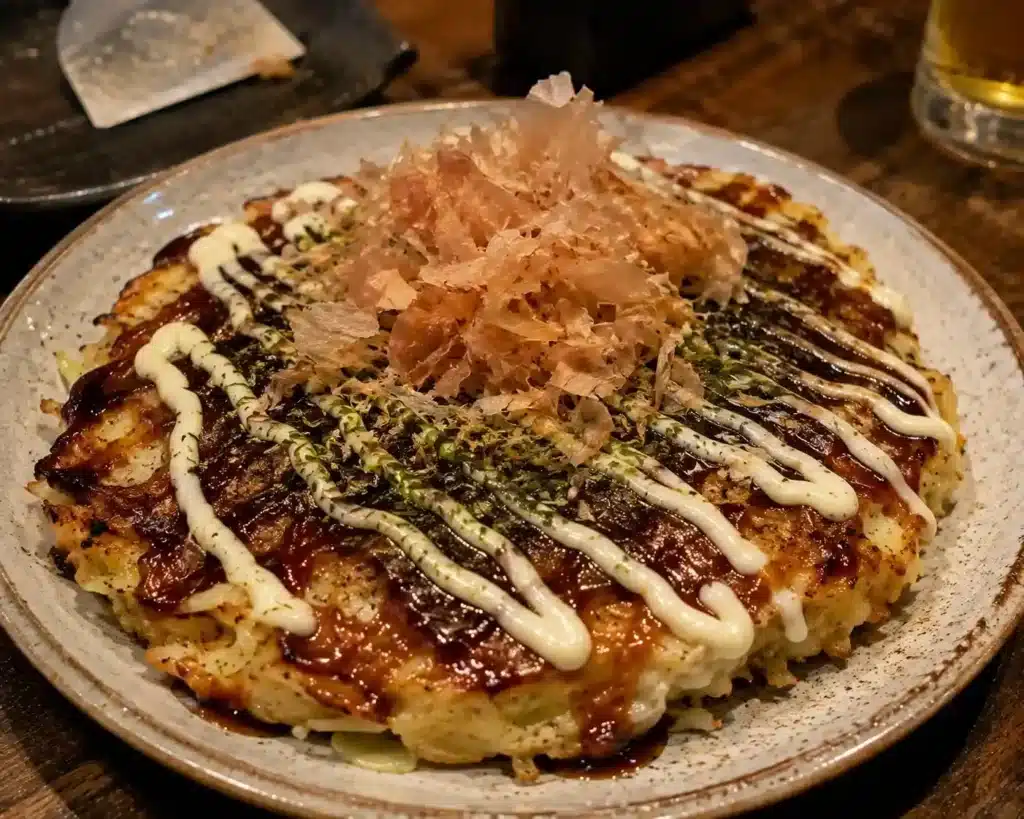
Okonomiyaki is a popular comfort food, especially associated with Osaka and Hiroshima.
What Is Okonomiyaki?
This savory pancake contains:
- Flour batter
- Cabbage
- Meat or seafood
- Sweet sauce
- Japanese mayonnaise
The name roughly means ‘grill what you like.’
Osaka vs Hiroshima Style
Osaka-style mixes ingredients together before cooking.
Hiroshima-style layers ingredients separately and often includes noodles.
Best Places to Eat Okonomiyaki
Travelers should try okonomiyaki in:
- Osaka street food districts
- Hiroshima specialty restaurants
- Food markets and festivals
Watching chefs cook it in front of you adds to the experience.
Takoyaki: Osaka’s Famous Street Food
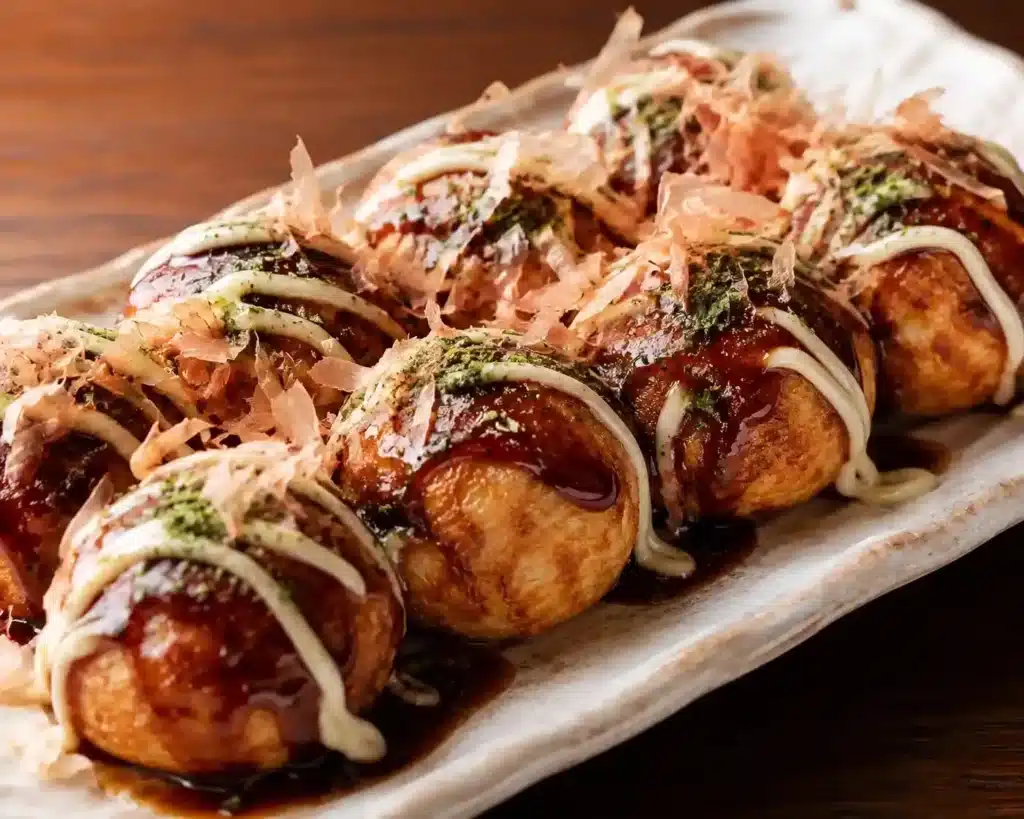
Takoyaki is one of Japan’s most loved street snacks.
What Is Takoyaki?
These small fried dough balls contain:
- Octopus pieces
- Green onions
- Pickled ginger
- Savory sauce
- Bonito flakes
They are crispy outside and soft inside.
Where to Try Takoyaki
The best takoyaki is usually found in Osaka, especially around:
- Dotonbori
- Night markets
- Festival stalls
Street food lovers often rank takoyaki among the must-try traditional foods in Japan because of its fun, casual dining experience.
Soba and Udon: Traditional Japanese Noodles
Japan’s noodle culture goes far beyond ramen.
Soba Noodles
Soba noodles are made from buckwheat flour and have a slightly nutty flavor.
They are served:
- Hot in broth
- Cold with dipping sauce
Udon Noodles
Udon noodles are thicker and softer than soba.
Popular udon dishes include:
- Tempura udon
- Curry udon
- Kitsune udon
Best Regions for Noodles
Nagano is famous for soba, while Kagawa is known for udon noodles.
These dishes are ideal for travelers wanting lighter meals.
Kaiseki: Japan’s Traditional Fine Dining Experience
Kaiseki represents the highest level of traditional Japanese dining.
What Is Kaiseki?
Kaiseki is a multi-course meal featuring seasonal ingredients and artistic presentation.
Meals often include:
- Fresh seafood
- Seasonal vegetables
- Soup
- Rice
- Dessert
Why Kaiseki Is Important
Kaiseki reflects:
- Japanese hospitality
- Seasonal awareness
- Culinary craftsmanship
The experience focuses equally on taste and visual beauty.
Where to Experience Kaiseki
Kyoto is considered the best place to try authentic kaiseki dining.
Luxury ryokans and traditional restaurants often serve these meals.
Travelers exploring the traditional foods of Japan often include kaiseki as a cultural highlight of their trip.
Yakitori: Grilled Chicken Skewers
Yakitori is one of Japan’s most popular casual dining foods.
What Is Yakitori?
Yakitori consists of grilled chicken skewers seasoned with:
- Salt
- Sweet soy glaze
Different cuts of chicken are used, including:
- Thigh
- Wings
- Skin
- Meatballs
Best Places for Yakitori
Yakitori is commonly found in:
- Izakayas
- Street alleys
- Nightlife districts
Tokyo’s Omoide Yokocho is especially famous for yakitori stalls.
Why Travelers Love Yakitori
It’s affordable, flavorful, and easy to share with friends or family.
Japanese Street Food You Shouldn’t Miss
Street food plays a major role in Japanese food culture, especially during festivals.
Popular Japanese Street Foods
Travelers should look for:
- Taiyaki (fish-shaped pastries)
- Yakisoba noodles
- Karaage fried chicken
- Dango rice dumplings
Best Places for Street Food
Top street food destinations include:
- Osaka’s Dotonbori
- Kyoto festivals
- Tokyo night markets
- Fukuoka yatai stalls
Street food is perfect for travelers wanting affordable and authentic meals.
Traditional Japanese Desserts and Sweets
Japanese desserts are often lighter and less sugary than Western sweets.
Mochi
Mochi is a chewy rice cake that is enjoyed year-round.
Popular fillings include:
- Red bean paste
- Matcha cream
- Strawberry
Matcha Desserts
Green tea desserts are widely available across Japan.
Popular options include:
- Matcha ice cream
- Matcha cakes
- Matcha parfaits
Kyoto is especially famous for premium matcha products.
Seasonal Wagashi
Wagashi are traditional sweets often served with tea during ceremonies and festivals.
Trying local desserts is another enjoyable way to experience the traditional foods in Japan.
Vegetarian-Friendly Traditional Japanese Foods
Although Japanese cuisine includes seafood and meat frequently, vegetarian travelers still have many options.
Popular Vegetarian Dishes
Vegetarian-friendly foods include:
- Vegetable tempura
- Zaru soba
- Inari sushi
- Tofu dishes
- Shojin Ryori
Shojin ryori is traditional Buddhist temple cuisine made entirely without meat or fish.
Kyoto temples are especially known for serving these meals.
Helpful Tip for Vegetarians
Travelers should learn a few key Japanese phrases or use translation apps to confirm ingredients, as fish broth is commonly used.
Seasonal Foods in Japan
Japan strongly values seasonal eating traditions.
Spring Foods
Popular spring foods include:
- Sakura mochi
- Bamboo shoots
- Fresh seafood
Summer Foods
Cold noodles and refreshing desserts become popular during hot months.
Autumn Foods
Autumn features:
- Sweet potatoes
- Chestnuts
- Matsutake mushrooms
Winter Foods
Winter specialties include:
- Hot pot dishes
- Oden
- Fresh crab
Seasonal dining traditions make the traditional foods of Japan even more meaningful for travelers.
Why Japanese Food Is Famous Worldwide
Japan is one of the world’s most exciting destinations for food lovers. From steaming bowls of ramen in Tokyo to fresh seafood in Hokkaido and sweet street snacks in Kyoto, every region offers something unique. Food in Japan is deeply connected to culture, history, and seasonal traditions, making every meal part of the travel experience.
Japanese cuisine has become globally popular because of its balance of flavor, freshness, and simplicity. Many dishes focus on natural ingredients instead of heavy sauces or spices.
A Strong Connection to Culture
Food in Japan is more than just eating. Meals often reflect:
- Seasonal ingredients
- Regional traditions
- Festival celebrations
- Family customs
This connection between culture and cuisine is one reason travelers become fascinated by the traditional foods of Japan during their visit.
Regional Variety Across Japan
Every area of Japan has local specialties. For example:
- Osaka is famous for takoyaki
- Hokkaido is known for seafood
- Kyoto specializes in traditional sweets and tofu dishes
Traveling through Japan often feels like exploring multiple food cultures within one country.
Tips for Trying Traditional Food in Japan
Trying local food in Japan becomes much more enjoyable when you understand a few cultural habits and dining tips.
Japanese food culture values respect, freshness, and presentation, and even small actions can improve your experience.
- Don’t Be Afraid of Small Restaurants
- Many tiny restaurants serve some of the best meals in Japan despite their simple appearance. Small ramen shops, sushi counters, and family-run eateries often focus on one dish perfected over generations.
- Locals usually prefer these hidden spots over tourist-heavy restaurants.
- Learn Basic Dining Etiquette
Understanding simple etiquette helps travelers feel more comfortable while dining.
Important etiquette tips include:
Don’t tip in restaurants
- Say “Itadakimasu” before eating
- Avoid sticking chopsticks upright into rice
- Slurping noodles is considered acceptable
- Return dishes neatly after eating
Try Regional Specialties
Each region in Japan has unique dishes connected to local history and ingredients.
For example:
- Osaka is known for takoyaki
- Hokkaido is famous for seafood
- Hiroshima specializes in okonomiyaki
Regional meals often become the most memorable part of the trip.
- Visit Food Markets Early
Morning food markets usually offer the freshest seafood, snacks, and local specialties.
Popular markets include:
- Nishiki Market in Kyoto
- Tsukiji Outer Market in Tokyo
- Kuromon Market in Osaka
Arriving early also helps avoid crowds.
- Use Vending Machines at Ramen Shops
Many ramen restaurants use ticket vending machines instead of traditional ordering systems.
Travelers simply:
- Choose a meal on the machine
- Pay
- Hand the ticket to the staff
This makes ordering easier even without speaking Japanese.
- Be Open to Seasonal Foods
Japanese cuisine changes throughout the year based on seasonal ingredients.
Trying seasonal dishes allows travelers to experience authentic local food culture.
- Spring brings sakura sweets, and autumn features chestnuts and mushrooms.
- Winter is famous for hot pot dishes.
- Don’t Rely Only on Sushi and Ramen
While sushi and ramen are famous worldwide, Japan offers many other incredible dishes worth trying.
Travelers should also explore:
- Tempura
- Yakitori
- Udon
- Tonkatsu
- Kaiseki meals
- Street food snacks
Exploring beyond popular dishes creates a richer food experience.
- Carry Cash for Small Food Shops
Although Japan is becoming more card-friendly, many smaller restaurants and street food vendors still prefer cash payments.
Keeping some yen available is helpful, especially in local markets and traditional neighborhoods.
- Learn a Few Helpful Japanese Food Phrases
Simple Japanese phrases can improve interactions with restaurant staff.
Useful phrases include:
- “Arigato” (Thank you)
- “Oishii” (Delicious)
- “Sumimasen” (Excuse me)
- “Osusume wa nan desu ka?” (What do you recommend?)
Even a basic effort is usually appreciated by locals.
- Be Patient During Busy Meal Hours
Popular restaurants often have lines, especially during lunch and dinner rush hours.
Long waits usually indicate high-quality food, so patience often pays off with a better dining experience.
Why Traditional Japanese Food Should Be Part of Your Trip
Japanese cuisine is one of the biggest highlights of traveling through the country. From sushi and ramen to street snacks and seasonal desserts, every meal offers a deeper connection to local culture and traditions.
For first-time visitors, exploring the traditional foods in Japan creates unforgettable travel memories beyond sightseeing alone. Each region introduces different flavors, cooking methods, and dining experiences that reflect Japan’s rich culinary heritage.
Whether you prefer seafood, comfort food, vegetarian dishes, or sweet treats, Japan offers something for every traveler. Trying local specialties, visiting street food markets, and dining at traditional restaurants can completely transform your experience in the country.
As you plan your trip, make time not only for famous landmarks but also for discovering the incredible world of Japanese traditional food waiting in every city, market, and neighborhood across Japan.